Baby Diaper Machines: A Complete Beginner's Guide to the Industry
Jun 22, 2026
Baby Diaper Machines: A Complete Beginner's Guide to the Industry
If you're new to the hygiene product manufacturing industry, a baby diaper machine might seem like complex and intimidating equipment. But understanding the basics is easier than you think — and it's the first step toward making an informed investment.
In this beginner's guide, we'll walk you through what baby diaper machines are, how they work, the different types available, and what you should look for when starting your journey in diaper production.
What Is a Baby Diaper Machine?
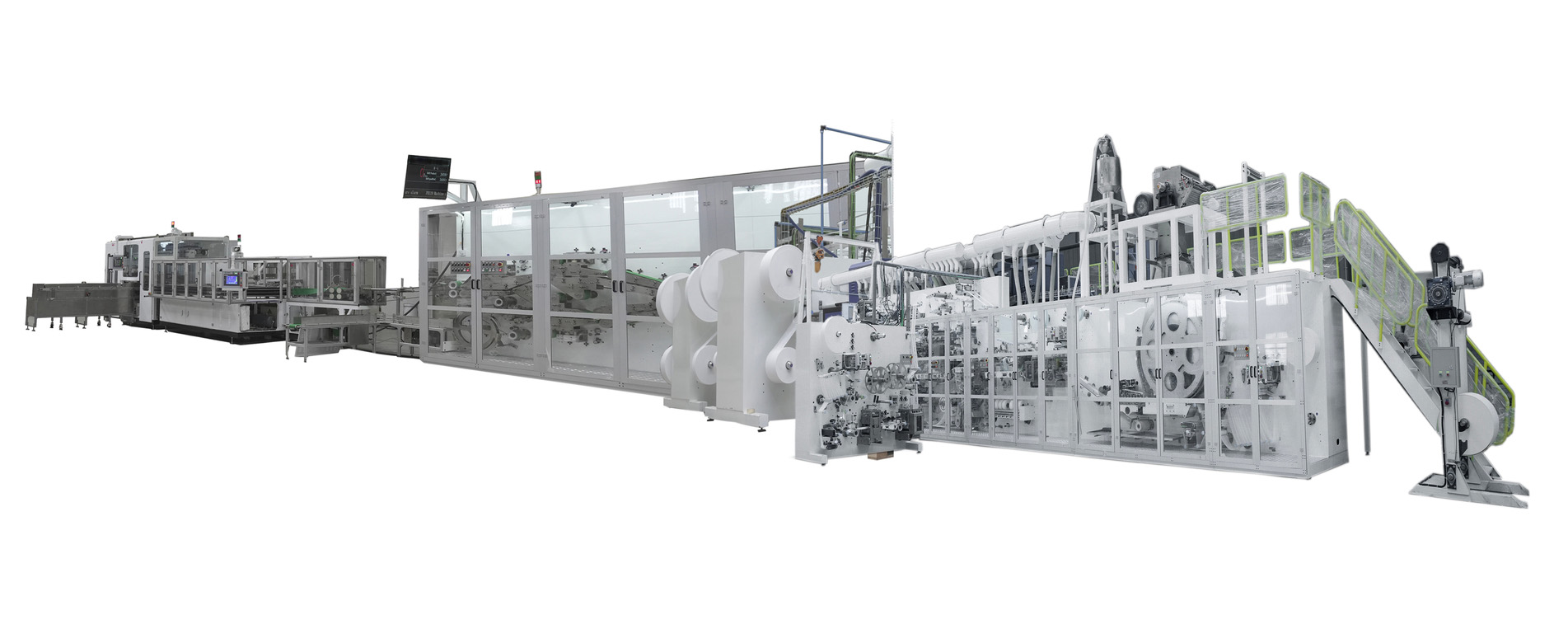
An Automatic baby diaper machine production line converts raw materials — such as fluff pulp, SAP (super absorbent polymer), nonwoven fabric, elastic, and adhesive — into finished baby diapers. Modern machines can produce anywhere from 200 to 800 diapers per minute, depending on the model and technology level.
Key Components of a Diaper Production Line
Understanding the main parts of the machine will help you evaluate equipment quality:
Fluff Pulp Milling System — Processes wood pulp into soft, absorbent fluff.
SAP Dosing Unit — Distributes super absorbent polymer evenly for maximum absorbency.
Core Forming Section — Shapes the absorbent core with fluff and SAP.
Nonwoven Web Handling — Feeds and positions top sheet, back sheet, and acquisition layers.
Elastic Application — Applies waist and leg elastics for a secure, comfortable fit.
Embossing and Cutting — Creates the diaper shape with embossed patterns and precise cutting.
Folding and Packaging — Folds diapers and packs them into bags or boxes.
Types of Baby Diaper Machines
Type
Speed Range
Best For
Pants Diaper Machine — also known as Baby Pull-up Diaper Production Line
200–400 pcs/min
Pull-up style diapers for toddlers
Tape Diaper Machine
300–800 pcs/min
Traditional tape-closed diapers for newborns
Hybrid Machine
200–600 pcs/min
Both pants and tape diapers on one line
For beginners, a tape diaper machine is often recommended as a starting point — the technology is mature, the operation is more straightforward, and the market demand is consistent.
Important Factors When Choosing a Diaper Machine
1. Production Speed
Higher speed means higher output, but also higher cost and more complex maintenance. Beginners considering high-speed baby diaper manufacturing equipment are often better off starting with a medium-speed machine (300–400 pcs/min) to build experience.
2. Raw Material Compatibility
Not all machines handle all materials well. Check whether the machine supports the specific nonwoven fabrics, elastic threads, and adhesives you plan to use.
3. Automation Level
Fully automatic machines reduce labor costs but require skilled technicians. Semi-automatic options are more budget-friendly for startups.
4. After-Sales Support
For beginners, reliable after-sales service is critical. Choose a manufacturer that offers installation guidance, operator training, and spare parts availability.
5. Energy Efficiency
Modern machines with servo-driven systems consume significantly less power than older hydraulic or pneumatic models — a key factor in long-term operating costs.
Common Raw Materials Used
Material
Function
Fluff Pulp
Absorbent core base
SAP
Super absorbent polymer for liquid retention
Nonwoven Fabric
Top sheet (soft against skin) and back sheet
Elastic Thread
Waistband and leg cuff elasticity
Hot Melt Adhesive
Bonding layers together
Release Paper
Packaging and hygiene sealing
Tips for First-Time Buyers
Do your market research — Know your target diaper size (NB, S, M, L, XL) and expected daily output before approaching suppliers.
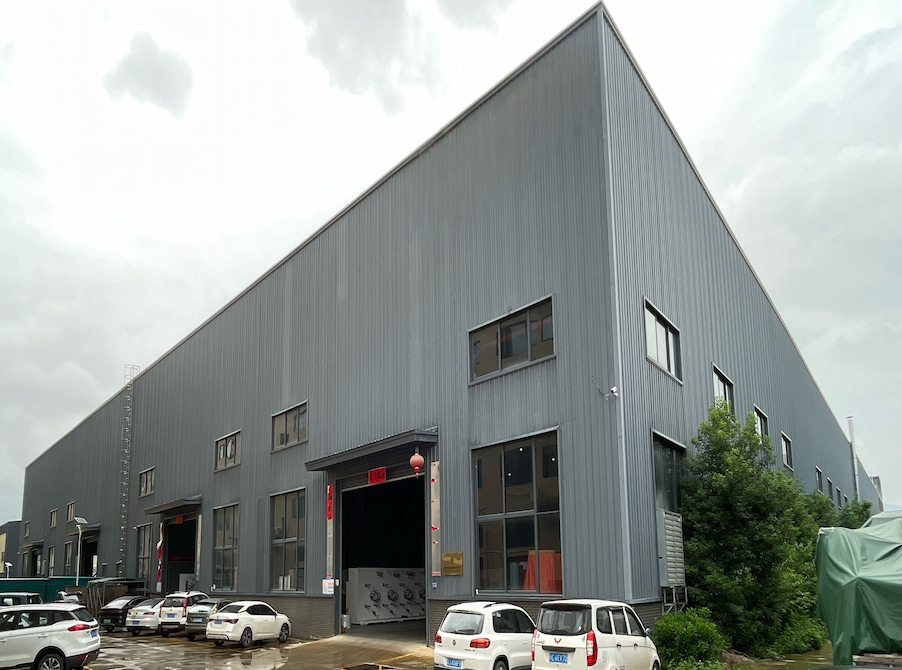
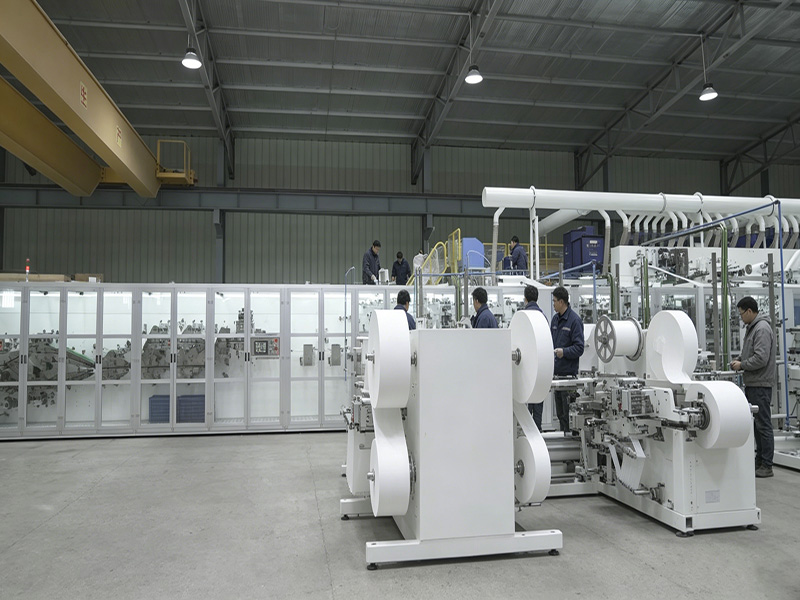
Request a factory visit or virtual tour — Seeing the machine in operation tells you more than any brochure.
Ask about spare parts — A machine is only as good as the parts supply that keeps it running.
Check certifications — CE, ISO, and other certifications indicate quality and safety standards.
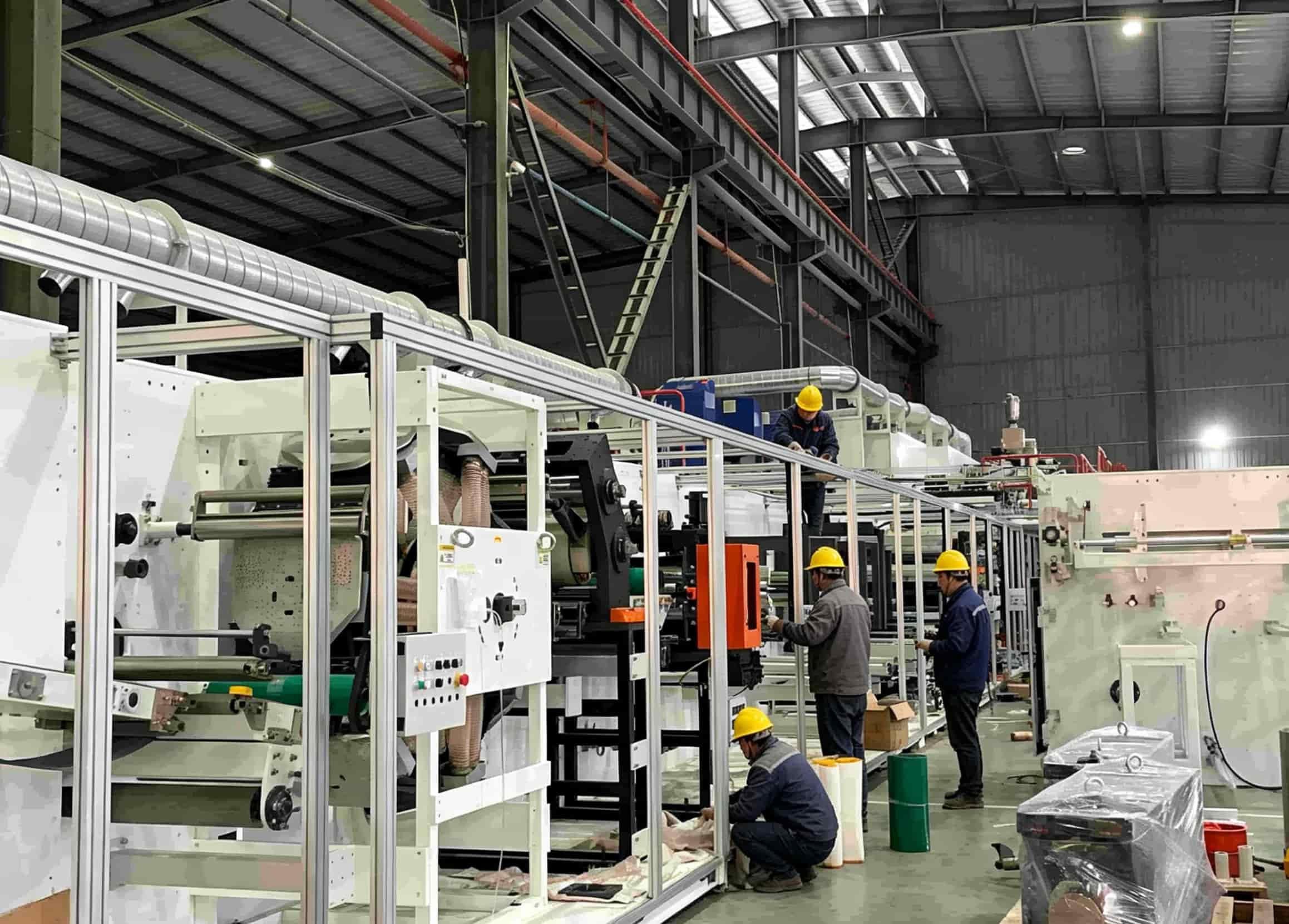
Plan your workshop — Diaper machines require considerable floor space, proper ventilation, and a stable power supply.
Industry Trends to Watch
Eco-friendly materials — Bamboo fiber, biodegradable nonwovens, and reduced plastic content are growing trends.
High-speed automation — New servo-driven machines are pushing speeds past 800 pcs/min with greater precision.
Smart manufacturing — IoT-enabled machines allow remote monitoring and predictive maintenance.
Conclusion
Entering the baby diaper manufacturing industry is an exciting opportunity. While the machines may look complex at first, understanding the basics — from core forming to final packaging — will give you the confidence to make the right choice for your business.
Start with a clear production plan, choose a reliable Automatic Baby Diaper Making Machine manufacturer, and focus on building your knowledge step by step. The diaper industry continues to grow globally, and with the right equipment, you can build a successful manufacturing operation.