Panty Liner Production Line: A High-Margin Addition to Your Feminine Hygiene Manufacturing Business
May 25, 2026
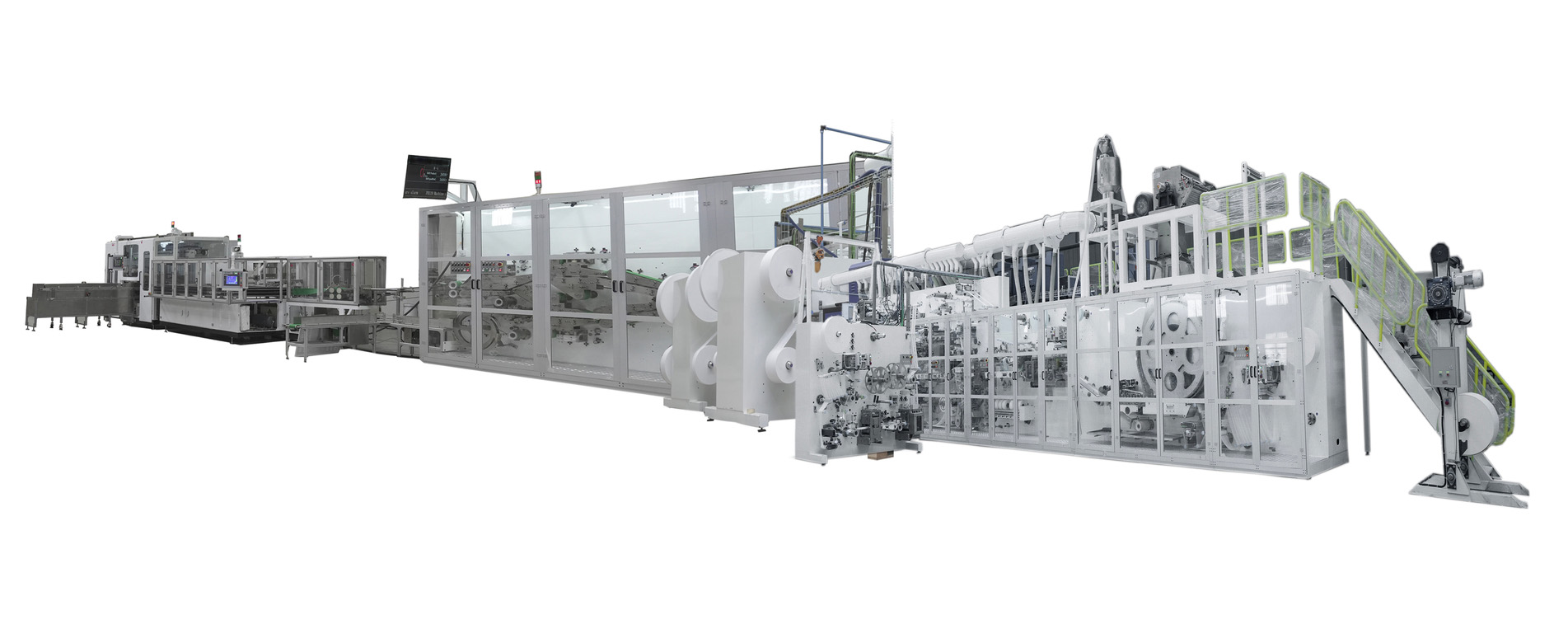
For feminine hygiene manufacturers looking to expand their product portfolio, the panty liner production line represents one of the most attractive investment opportunities in the hygiene industry today. Panty liners — also known as panty shields or ultra-thin pads — occupy a unique market position: they require less raw material than standard sanitary napkins, yet command healthy profit margins due to high consumption volume and repeat purchase behavior. For factory owners who already operate a sanitary napkin making machine, adding a dedicated panty liner line is a natural and cost-effective expansion.Modern panty liner production lines differ significantly from standard sanitary napkin lines in several key aspects. The most obvious difference is thickness — panty liners are typically 1–2mm thick, compared to 3–8mm for regular pads. This requires more precise pulp and SAP (super absorbent polymer) dosing systems, along with advanced compaction technology to achieve the ultra-slim profile that consumers expect. The production speeds, however, are generally higher: a well-configured line can produce 600–800 pieces per minute, significantly outpacing standard napkin lines. The following table compares the two production systems side by side:
ParameterPanty Liner Production LineStandard Sanitary Napkin Line
Product Thickness1–2 mm3–8 mm
Typical Output Speed600–800 pcs/min400–600 pcs/min
Raw Material Cost per Unit$0.02–0.04$0.06–0.12
SAP Consumption per Unit0.1–0.3 g0.5–1.5 g
Packaging SimplicityHigh (thin, foldable)Moderate (bulky, wings)
Retail Price per Unit (avg)$0.08–0.15$0.15–0.35
Gross Margin Potential50–65%40–55%
One of the strongest arguments for adding a panty liner production line is the raw material economics. Panty liners use significantly less fluff pulp and SAP — often 60–70% less material per piece compared to standard pads. This not only lowers unit cost but also reduces warehousing requirements and freight expenses. For manufacturers sourcing raw materials in bulk for their existing hygiene product manufacturing lines, panty liners offer an efficient way to utilize leftover material inventory and optimize procurement cycles.
Market demand for panty liners has been growing steadily at 5–7% annually across Asia, Africa, and Latin America. Unlike standard pads which are used primarily during menstruation, panty liners are marketed as daily-use products — for spotting, vaginal discharge, light incontinence, and as a backup for tampons or menstrual cups. This broader usage pattern means higher per-capita consumption and more predictable demand throughout the year. In mature markets like Japan and South Korea, daily panty liner usage rates exceed 60% among women of reproductive age, suggesting enormous growth potential in emerging markets where current adoption is below 20%.
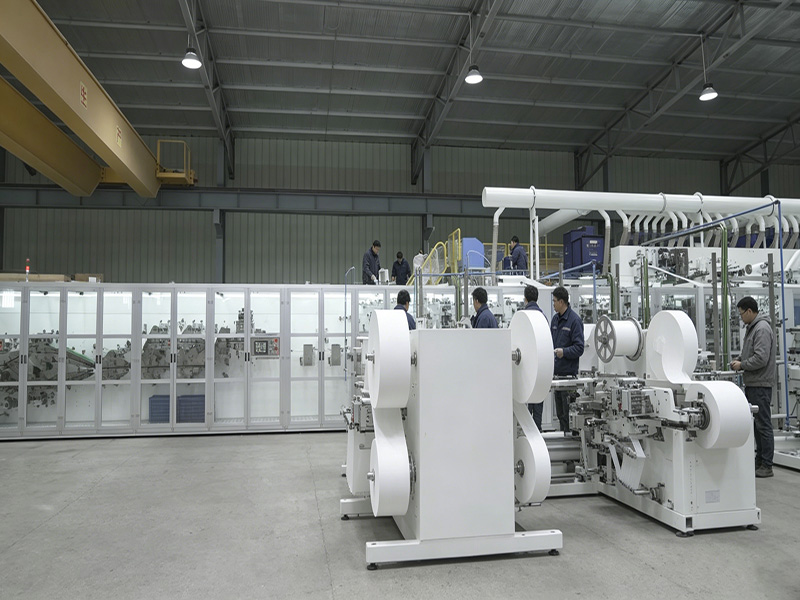
For factory owners evaluating equipment investment, modern panty liner production lines offer several engineering advantages. The machines are typically more compact than standard napkin lines — a full servo-driven line with automatic packaging can fit in a 25m × 8m footprint. Energy consumption is lower due to reduced compaction and embossing requirements. And because the product is simpler, changeover times between different lengths and shapes are faster, enabling smaller batch production for private-label customers. When combined with a sanitary napkin line, a panty liner line can increase total factory output by 40–60% without requiring proportional increases in labor or factory space. This makes it an ideal second line for growing feminine hygiene businesses.