How to Choose the Right Adult Diaper Making Machine for Your Production Line
May 03, 2026
The global adult diaper market is expanding rapidly, driven by aging populations and rising awareness of incontinence care. For manufacturers looking to enter or scale up in this sector, selecting the right adult diaper making machine is one of the most critical investment decisions. A well-chosen production line directly impacts product quality, operating cost, and long-term competitiveness. Below are the key factors every factory owner should evaluate before making a purchase.
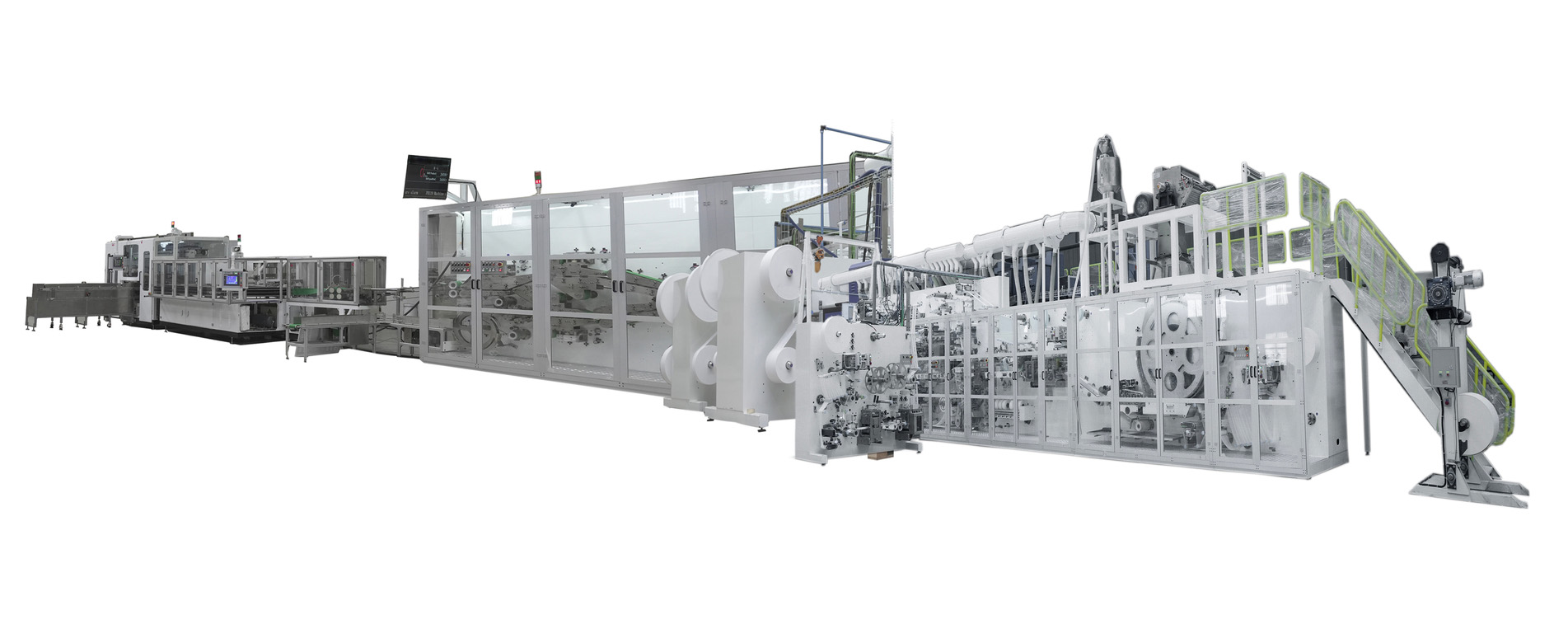
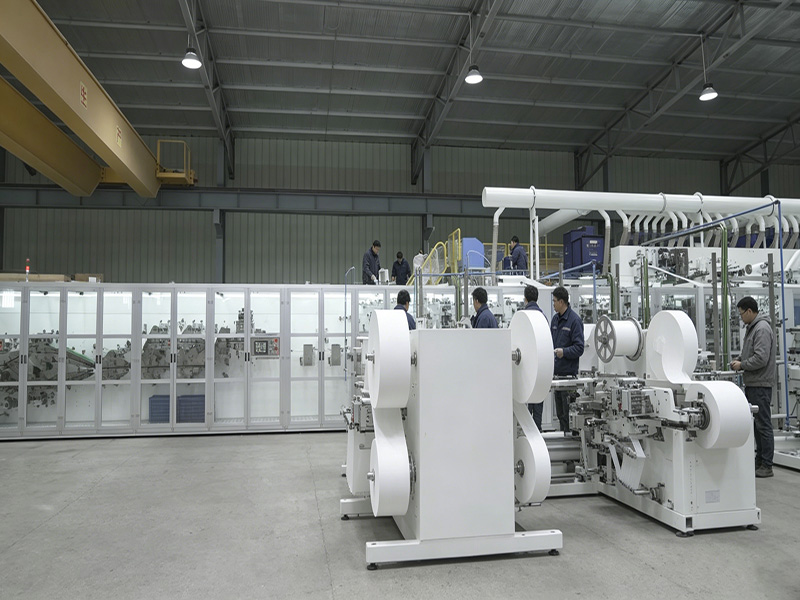
Adult diaper making machine technology has advanced significantly in recent years, with full-servo systems becoming the industry standard. Unlike older hydraulic or mechanical-drive machines, full-servo models offer precise control over every production step — from SAP (super absorbent polymer) application to elastic waistband lamination and final cutting. This precision translates into less material waste, higher output consistency, and faster size-changeover times. When comparing quotes from different suppliers, always verify whether the machine uses genuine servo motors from reputable brands (e.g., Mitsubishi, Siemens, or Panasonic) and confirm that the control system supports remote diagnostics and firmware upgrades. A machine built around reliable servo technology will pay for itself within the first 12 to 18 months of operation through material savings alone.
Production speed and capacity should align with your target market volume. Entry-level adult diaper lines typically run at 100 to 150 pieces per minute, while high-end full-servo lines can reach 200 to 300 pieces per minute. However, raw speed is not the only metric worth examining. Consider the machine's overall equipment effectiveness (OEE), which accounts for downtime, speed loss, and defect rates. A machine rated at 250 pieces per minute that suffers frequent jams or requires long cleaning intervals may actually deliver lower net output than a more modestly rated but reliable machine running at 200 pieces per minute. Ask the supplier for OEE data from existing customer installations, and request a live production trial if possible.
Product versatility is another decisive factor. An adult diaper machine should accommodate a wide range of sizes — from small (S) to extra-large (XXL) — and support different product configurations such as flat diapers, pull-up pants, and brief-style diapers with or without elastic waistbands. The ability to switch between adhesive tape closure and Velcro-style fasteners is also valuable, as different markets have different preferences. Some advanced adult diaper making machines now come with automated size-change systems that let operators switch from one diaper format to another in under 30 minutes, dramatically reducing downtime for factories that need to serve multiple customer segments. Consider also the machine's ability to handle different raw material types and grammages, as material costs often represent 60% to 70% of total production cost.
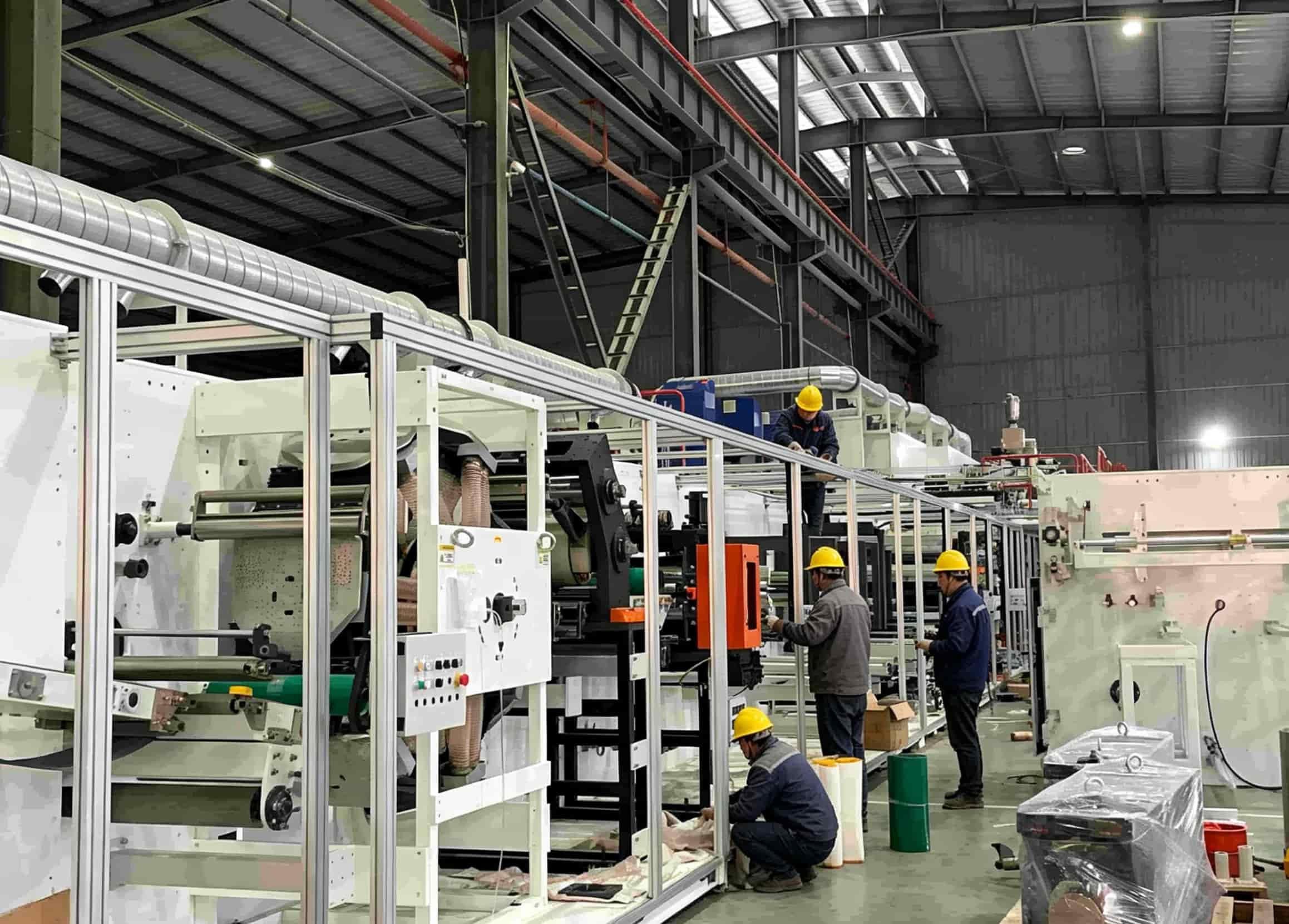
After-sales support and spare parts availability can make or break your production continuity. When sourcing an adult diaper machine, look for manufacturers that offer on-site installation, operator training, and a local or regional service network. A machine is only as good as the support behind it. Check how quickly the supplier can dispatch engineers for troubleshooting, whether they stock critical spare parts in your region, and what their typical response time is for warranty claims. Many experienced buyers also negotiate annual maintenance contracts upfront to ensure predictable service costs. In addition, digital support platforms — such as remote assistance via AR glasses or video calls — have become increasingly common and can significantly reduce downtime for factories located far from the supplier's headquarters.
Finally, consider total cost of ownership (TCO), not just the purchase price. A cheap machine may seem attractive on the invoice, but higher energy consumption, more frequent breakdowns, and lower product quality quickly erode that apparent savings. Build a TCO model that includes electricity consumption (kW per unit produced), spare parts consumption rate, estimated annual maintenance cost, and projected scrap rate. Compare these figures across at least three suppliers to make an informed decision. For manufacturers targeting export markets, also verify that the adult diaper making machine can produce diapers meeting international quality standards (e.g., ISO, CE, and FDA requirements for absorbency, leakage protection, and skin-friendliness).
Choosing the right adult diaper making machine is a strategic decision that shapes your factory's profitability for years to come. Focus on technology reliability, production flexibility, and strong after-sales support rather than initial price alone. With the right machine partner, you can build a competitive adult diaper business that grows with the market.