Automation & Efficiency in Sanitary Napkin Production Lines: A Guide for Modern Manufacturers
May 19, 2026
The global sanitary napkin market continues to expand, driven by rising awareness of feminine hygiene and increasing demand in developing economies. For manufacturers looking to establish or upgrade their operations, understanding the role of automation in a modern sanitary napkin production line is no longer optional — it is the key differentiator between staying competitive and falling behind.This article examines the core automation technologies that define today's high-output sanitary napkin lines, the measurable efficiency gains they deliver, and what investors should consider when planning a new facility.
Why Automation Matters in Sanitary Napkin Manufacturing
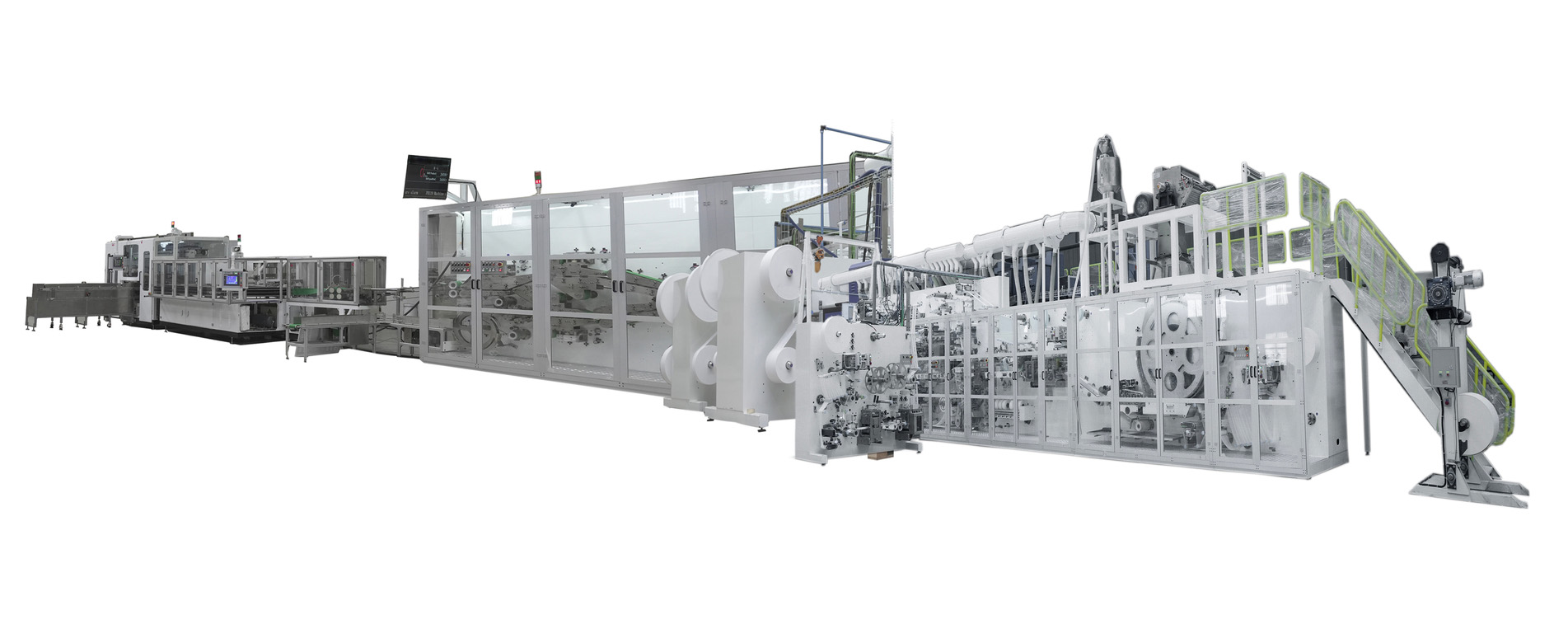
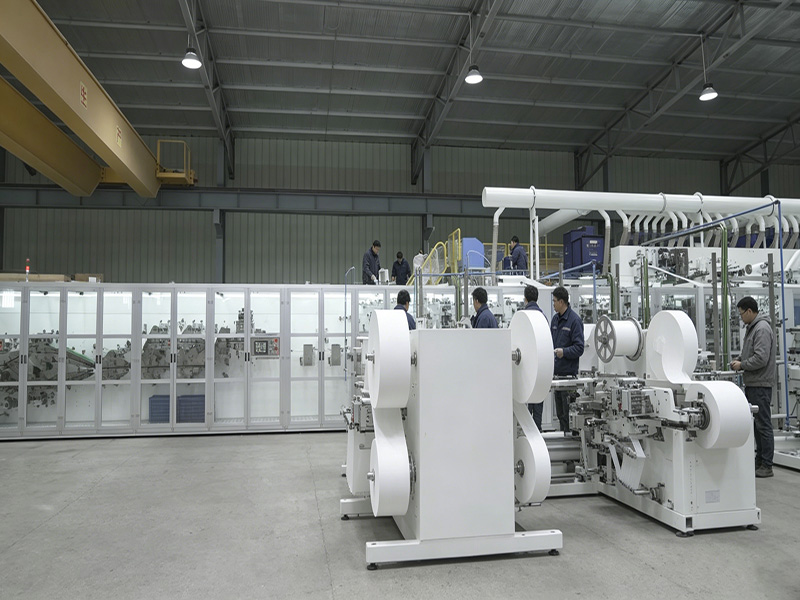
Traditional semi-automatic production lines rely heavily on manual intervention for material feeding, positioning, and packaging. While these lines have a lower upfront investment, they come with significant drawbacks: inconsistent product quality, higher defect rates, and substantially higher labor costs per unit.A fully automated sanitary napkin production line, by contrast, integrates servo-driven control systems, real-time sensors, and PLC-based monitoring to achieve consistent output at speeds that manual operations simply cannot match.Key advantages of automation include:Higher Output Speeds — Modern full-servo lines can produce over 600 pieces per minute, compared to 150–200 for semi-automatic systemsReduced Waste — Precise material positioning and cutting minimize trim waste, improving material yield by a meaningful marginLower Labor Dependency — One operator can oversee an entire automated line, reducing labor costs significantly over timeConsistent Quality — Every pad meets the same spec, reducing returns and building brand trust
Core Automation Technologies to Look For
When evaluating diaper making machine and sanitary napkin equipment suppliers, manufacturers should prioritize the following technologies:
Full-Servo Drive Systems
Servo motors replace traditional mechanical cams and gears, allowing digital control of each station's speed and timing. This enables quick changeovers between product sizes without mechanical adjustments — a critical feature for contract manufacturers handling multiple SKUs.
Online Quality Inspection
Vision systems and weight sensors positioned at key stations detect defects in real time. Defective products are automatically rejected before packaging, preventing costly downstream waste.
Automatic Packing & Counting
Modern sanitary napkin lines integrate stack counting, film wrapping, and case packing into a continuous flow, eliminating manual packing stations and the hygiene risks they introduce.
Automation Level Comparison
Feature
Semi-Automatic Line
Fully Automatic Servo Line
Output Speed
150–200 pcs/min
600+ pcs/min
Labor per Shift
6–8 operators
1–2 operators
Changeover Time
2–4 hours
30–60 minutes
Material Waste Rate
Higher
Lower
Consistent Quality
Variable
Stable
Initial Investment
Lower
Higher
Long-Term ROI
Moderate
Substantial
Key Considerations Before Investing
Production Volume Targets
Your target daily output directly determines the level of automation you need. For startups targeting niche markets, a well-maintained semi-automatic line may suffice. For volume-driven operations competing on cost, investing in high-speed servo lines is the clear path.
After-Sales Support
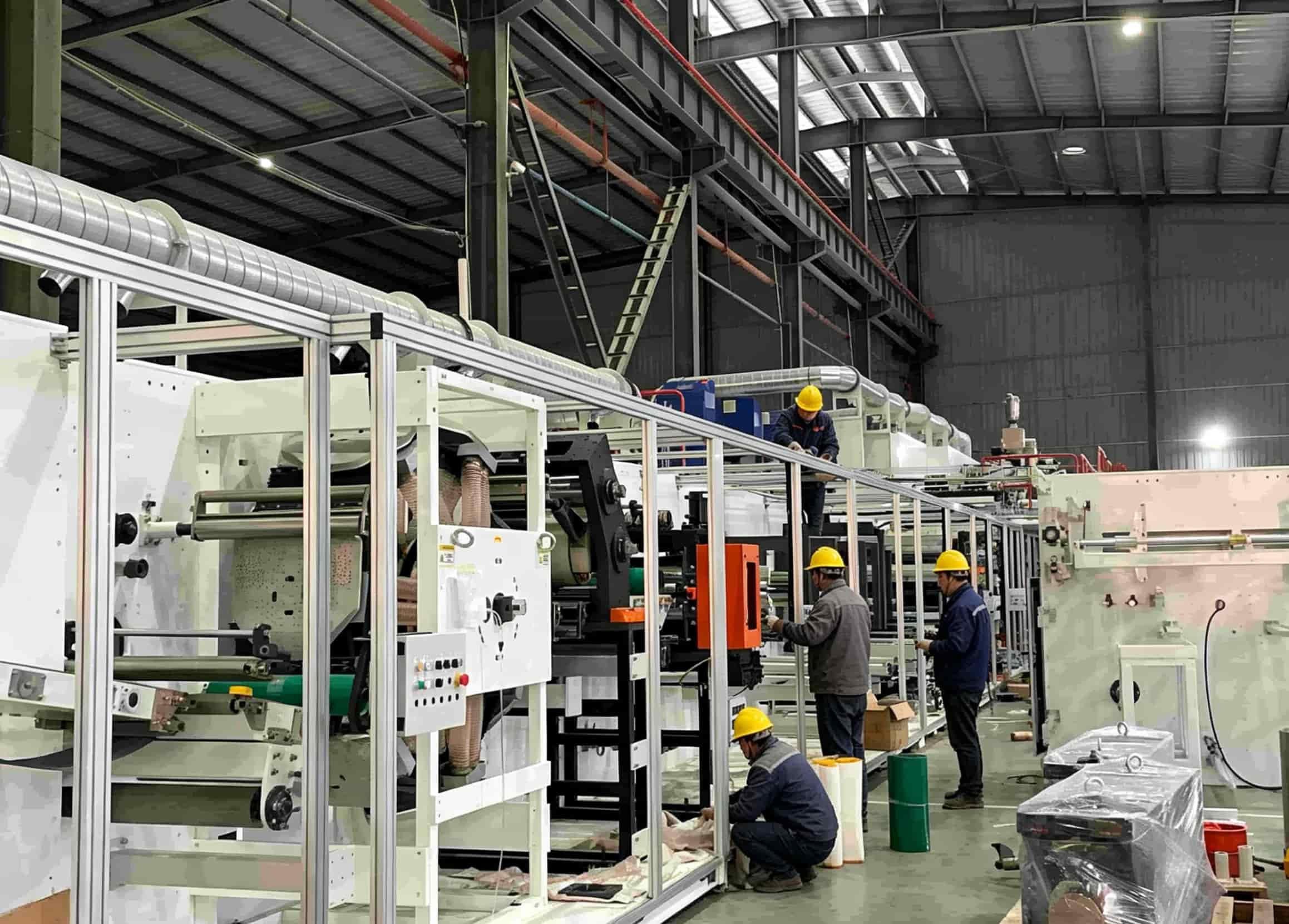
In the hygiene product manufacturing industry, equipment uptime is everything. Choose a supplier that offers on-site installation, operator training, and responsive spare parts support. Downtime of even a single shift can erase weeks of profit margins.
Future-Proofing
The sanitary napkin market is evolving toward organic cotton topsheets, biodegradable backsheets, and thinner profiles. Your production line should accommodate these material changes without major retrofitting. Modular line designs with adjustable forming drums and tension controls offer the best long-term flexibility.
Final Thoughts
The shift toward fully automated sanitary napkin production lines is reshaping the feminine hygiene manufacturing landscape. While the initial investment in servo-driven automation is substantial, the combination of higher output, lower waste, consistent quality, and reduced labor dependency delivers strong returns over the equipment lifecycle.For manufacturers serious about capturing market share in the sanitary napkin segment, partnering with a reliable machinery provider who understands both the technology and the operational realities is the first and most important step.