What to Look for in a High-Speed Sanitary Napkin Making Machine
May 02, 2026
The global feminine hygiene market continues to expand, driven by rising awareness of health, comfort, and convenience. For manufacturers looking to enter or scale up in this space, investing in a reliable sanitary napkin making machine is one of the most critical decisions you will make. The quality of your equipment directly determines your production efficiency, product consistency, and ultimately your bottom line.
Core Technical Specifications to Evaluate
Not all sanitary napkin production lines are created equal. When comparing suppliers, pay close attention to these key parameters:
Parameter
What to Look For
Why It Matters
Production Speed
200–400 pieces per minute
Higher speed means lower per-unit cost and faster ROI
Servo Drive System
Full servo vs. mechanical cam
Servo offers precise control, lower noise, and less maintenance
Material Compatibility
Non-woven, PE film, SAP, pulp, release paper
A versatile line handles multiple product tiers (economy to premium)
Changeover Time
Under 30 minutes between sizes
Fast changeovers keep your line running and reduce downtime
Waste Rate
Below 3%
Lower waste directly improves your gross margin
Automation Level
PLC + HMI touchscreen control
Reduces labor dependency and human error
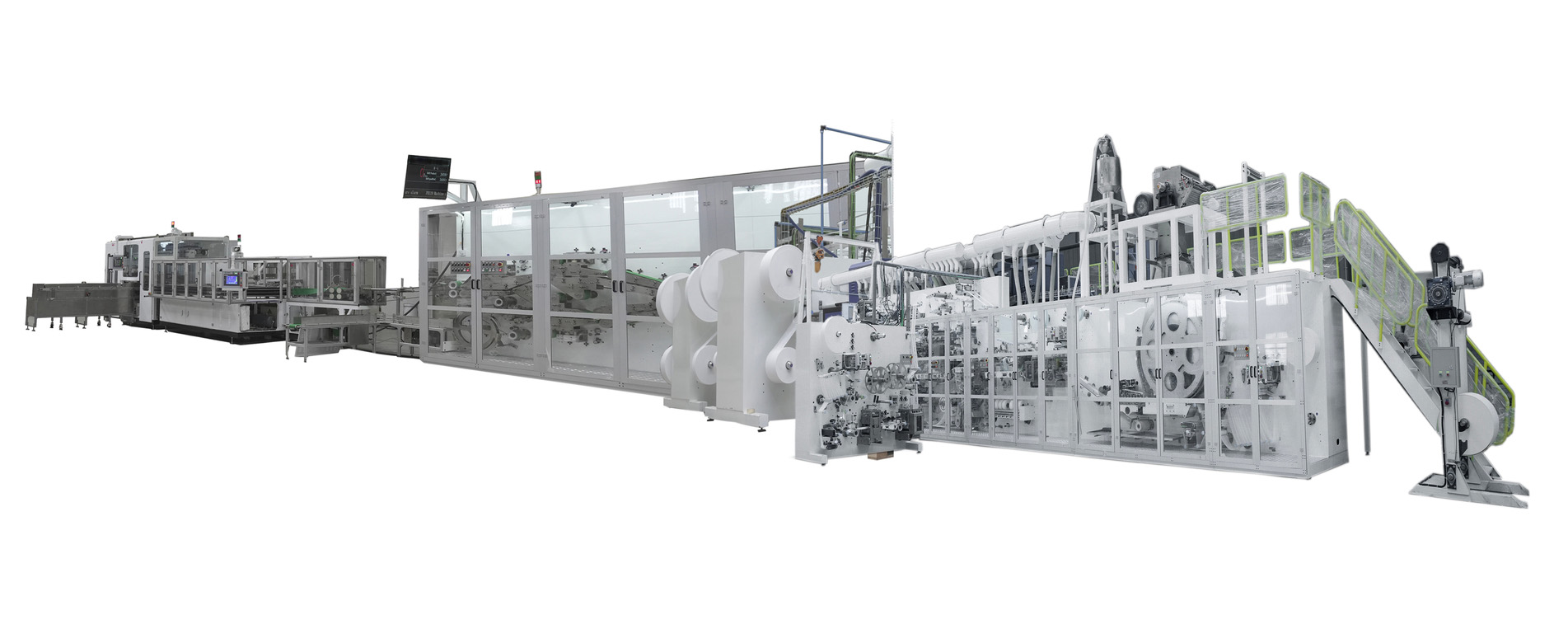
A sanitary napkin making machine with full servo drive and smart tension control will deliver consistent product quality across long production runs, which is essential when supplying supermarkets, distributors, or institutional buyers.
Key Components That Define Reliability
A sanitary napkin production line is made up of several interdependent modules. If any one of them underperforms, the entire line suffers:
Pulp Fluffing System — The heart of the absorbent core. A good fluffing system produces uniform fiber distribution, which directly affects the pad's absorption rate and leak protection. Look for systems with automatic fiber density adjustment.
SAP Dosing Unit — Super Absorbent Polymer (SAP) is expensive. Precise dosing avoids waste while ensuring consistent absorbency. The best machines use servo-driven dosing rollers with real-time weight feedback.
Embossing and Sealing Section — This determines the pad's final appearance and structural integrity. Even heating across the embossing roller prevents edge leaks and delamination during use.
Packaging Integration — An automated packaging module (individual wrapping + multi-pack bagging) completes the line. The best setups synchronize the wrapping speed with the production line to eliminate bottlenecks.
Production Capacity and Factory Planning
Before purchasing a sanitary napkin production line, plan your factory layout carefully:
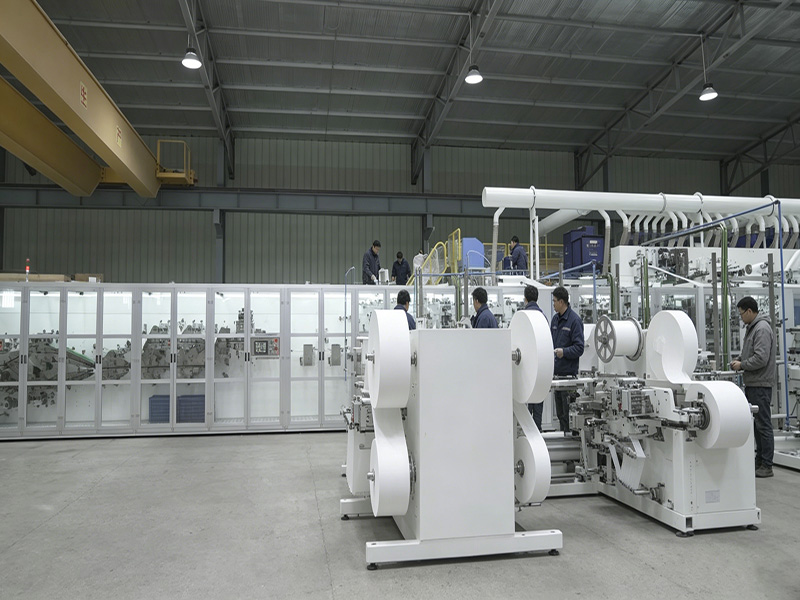
Floor Space: A complete high-speed line typically requires 25–35 meters in length and 3–4 meters in width
Power Supply: Ensure your facility has stable three-phase power (380V / 50Hz or 60Hz depending on your region)
Compressed Air: Most lines need 0.6–0.8 MPa compressed air at 0.5–1.0 m³/min
Raw Material Storage: Plan for dedicated storage areas for non-woven rolls, PE film, pulp, and SAP — each with humidity control
The table below shows estimated daily output for different machine configurations:
Machine Grade
Speed (pcs/min)
Daily Output (8h, 85% efficiency)
Ideal For
Entry-Level
150–200
60,000–80,000
Startups, small brands
Mid-Range
250–300
100,000–120,000
Regional manufacturers
High-Speed
350–400+
140,000–160,000+
Large-scale producers, OEM
After-Sales Support Matters More Than You Think
The initial machine price is only part of the total cost of ownership. A supplier that offers:
Remote troubleshooting via video call
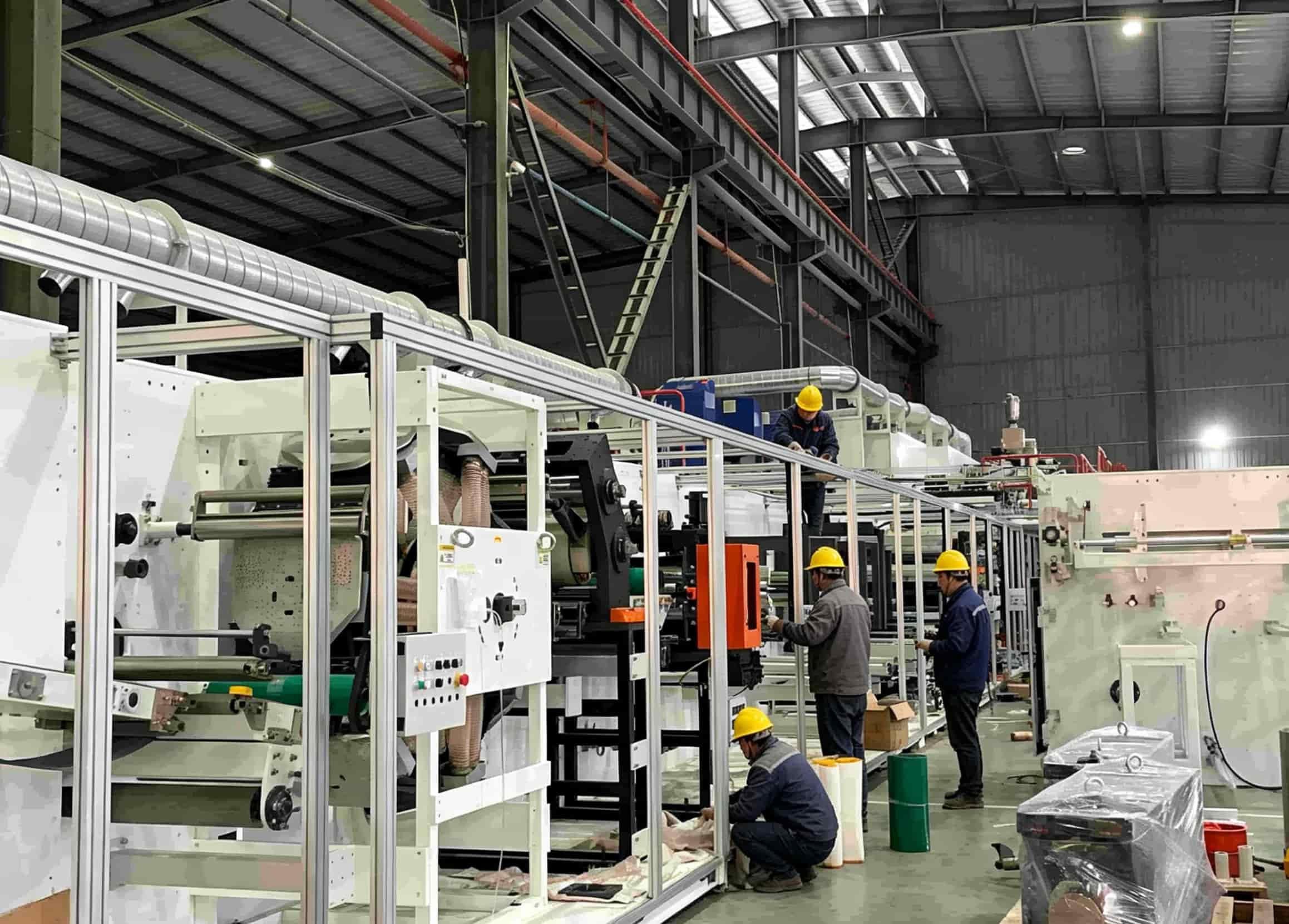
On-site installation and commissioning within 7 days
A stock of common spare parts (heating elements, servo motors, sensors)
Training for your operators in their local language
...will save you far more in lost production time than any discount on the machine price.
Many manufacturers in Africa, South Asia, and the Middle East have found success by choosing a sanitary pad making machine from a supplier that understands local market conditions — including voltage fluctuations, raw material availability, and after-sales service logistics.
Conclusion
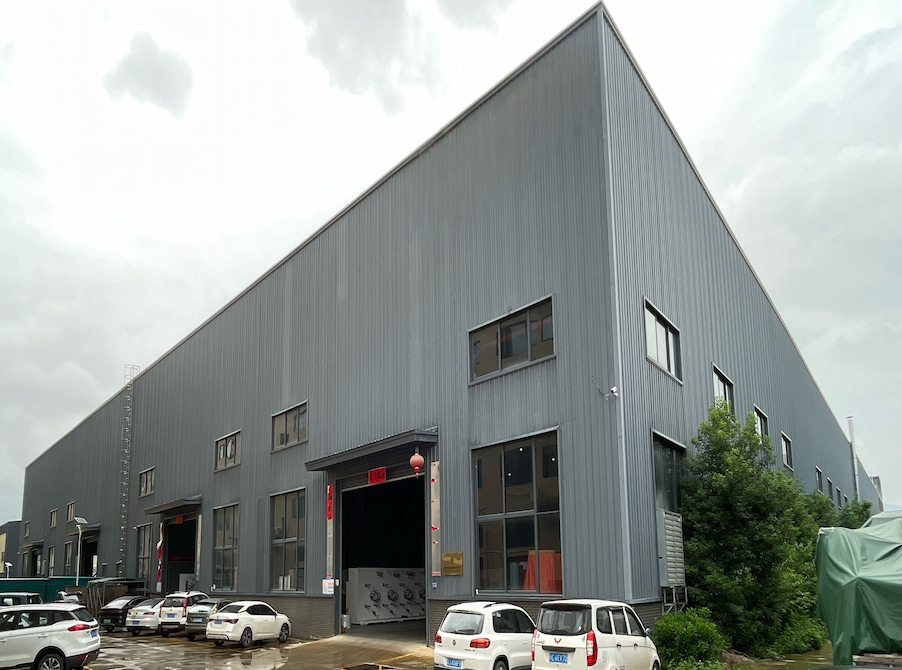
The right sanitary napkin making machine is a long-term investment that will define your production capabilities for years. Focus on servo-driven automation, low waste rates, fast changeover times, and strong after-sales support. Do your due diligence — visit the factory if possible, request references, and run trial production before committing.
If you are evaluating options for a new production line, First One Machine offers a range of sanitary napkin making machines designed for reliability, efficiency, and easy maintenance. Contact us to discuss your production requirements and get a customized proposal.