In the competitive hygiene product industry, adult diaper manufacturers face constant pressure to balance quality with cost. As global demand rises — driven by aging populations in Asia, Europe, and the Americas — the ability to produce high-quality adult diapers at lower unit costs can make or break a factory's profitability. This article explores practical strategies to reduce production costs without compromising product performance.
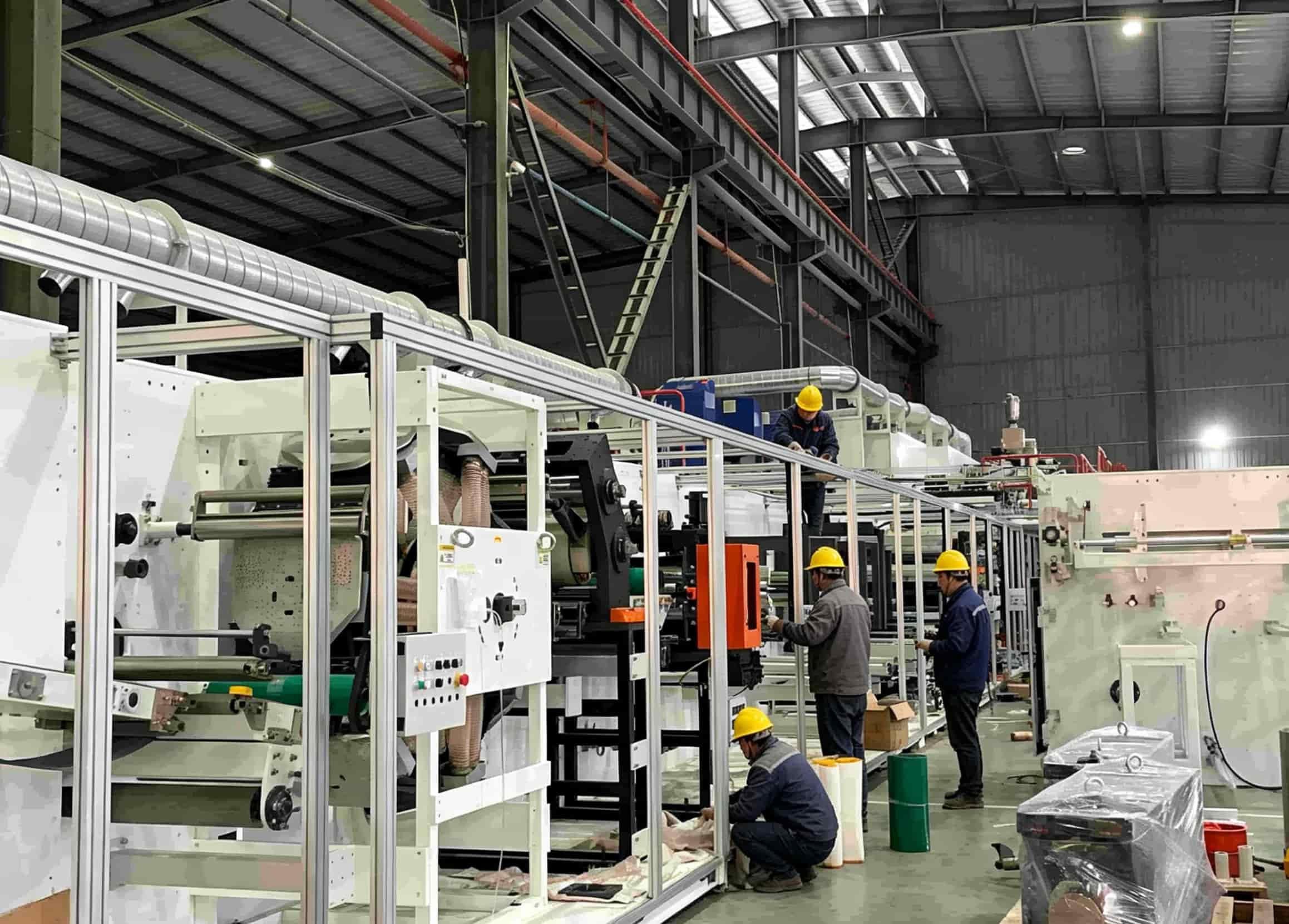
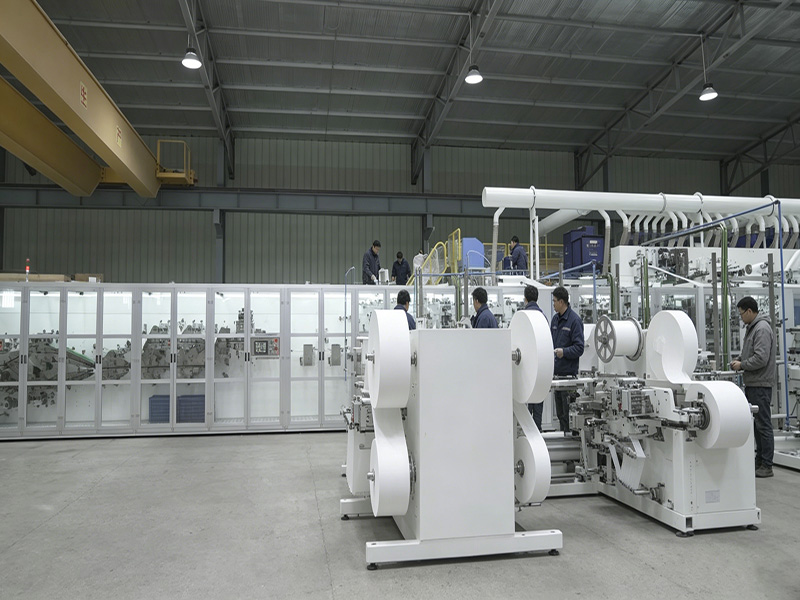
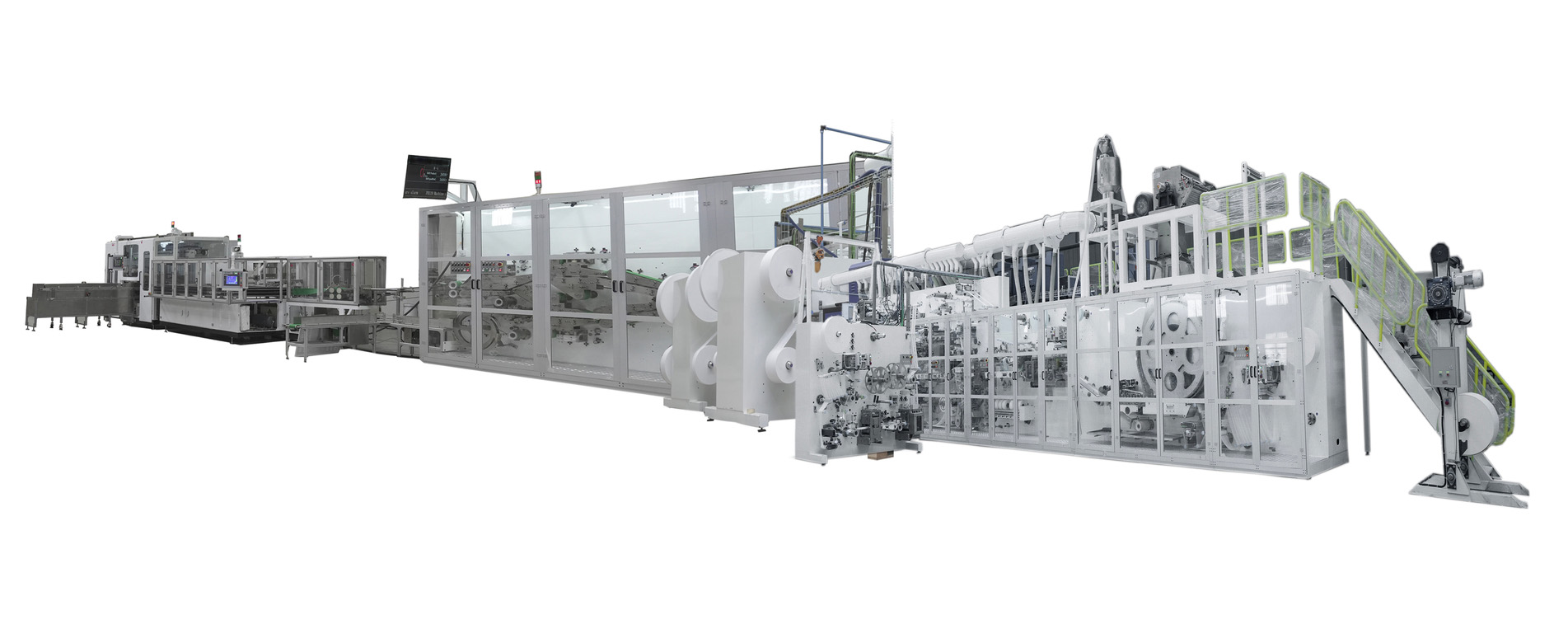
Traditional mechanical cam-driven machines rely on gears, belts, and clutches that consume more energy and require frequent maintenance. Upgrading to a full servo adult diaper machine eliminates mechanical wear points, reduces power consumption significantly, and enables faster changeover between product sizes. Servo-driven systems also provide precise tension control for elastic materials, reducing material waste during the production run.
Raw materials account for the majority of the total production cost in adult diaper manufacturing. Small optimizations in material usage translate directly to significant savings. Use a production line with advanced SAP (super absorbent polymer) dosing systems that apply the exact grammage per diaper, avoiding overfill. Similarly, nonwoven fabric tension control systems can reduce fabric consumption meaningfully while maintaining the same absorption core integrity.
Unplanned downtime is the silent killer of production efficiency. Modern adult diaper manufacturing lines equipped with PLC-based diagnostic systems can detect issues — from incorrect elastic tension to misaligned absorbent core placement — before they cause a full line stoppage. Real-time monitoring dashboards allow operators to address problems within seconds rather than minutes. Over a year, even a modest reduction in downtime can increase effective capacity by hundreds of thousands of pieces.
While customization is important for market differentiation, excessive product variations increase changeover frequency and reduce OEE (Overall Equipment Effectiveness). Evaluate your product portfolio quarterly and consider rationalizing low-volume SKUs. Standardizing core absorbent layers and chassis designs across your product range allows longer production runs and fewer material changeovers.
| Cost Factor | Traditional Mechanical Line | Modern Servo-Driven Line | Annual Savings |
|---|---|---|---|
| Energy consumption | Higher | Much lower | Significant |
| Material waste rate | 3–5% | 1–2% | Significant |
| Maintenance cost | Higher | Much lower | Substantial |
| Changeover time | 60–90 min | 15–30 min | +15% production capacity |
| Operator labor | 3–4 per shift | 1–2 per shift | Meaningful |
A high-quality adult diaper production line is only as efficient as the team running it. Implement a structured operator training program covering preventative maintenance, troubleshooting, and lean manufacturing principles. Factories that invest in operator upskilling typically see significant OEE improvement within the first six months. Simple practices — like daily equipment inspections and proper material handling — reduce unplanned repairs and extend machine lifespan.
Conclusion
Reducing production costs in adult diaper manufacturing doesn't require a complete factory overhaul. By focusing on servo automation, material optimization, downtime reduction, product standardization, and operator training, manufacturers can achieve significant cost savings while maintaining or even improving product quality. For factory owners planning capacity expansion or equipment upgrades, investing in a fully servo-driven line offers the fastest payback period through energy savings and operational efficiencies alone.
WhatsApp : +8615859535393
Email : aria@firstonemachine.com
Tel : +86 -15859535393


Tel: +86 -15859535393 Email: aria@firstonemachine.com