The global sanitary napkin market is valued at over $30 billion and continues to grow steadily, driven by rising female hygiene awareness, increasing disposable incomes in developing countries, and expanding product offerings such as ultra-thin, organic, and overnight variants. For hygiene product manufacturers, a well-configured sanitary napkin production line represents one of the most accessible entry points into the feminine hygiene manufacturing sector — with relatively lower capital requirements compared to baby or adult diaper lines and a broad, stable consumer base.
This guide provides a comprehensive overview of sanitary napkin production line technology, key specification comparisons, cost analysis, and investment considerations for serious manufacturers.
Unlike the baby diaper market which is concentrated in the first few years of life, the sanitary napkin market addresses approximately 1.8 billion menstruating women globally, each requiring products every month. This creates a predictable, recurring demand cycle that is highly resistant to economic downturns.
Key market segments include:
Emerging markets in Asia, Africa, and Latin America present the strongest growth opportunities, with sanitary pad penetration rates still below 40% in many rural areas. Government initiatives promoting menstrual hygiene in countries like India, Kenya, and Nigeria are further driving market expansion.
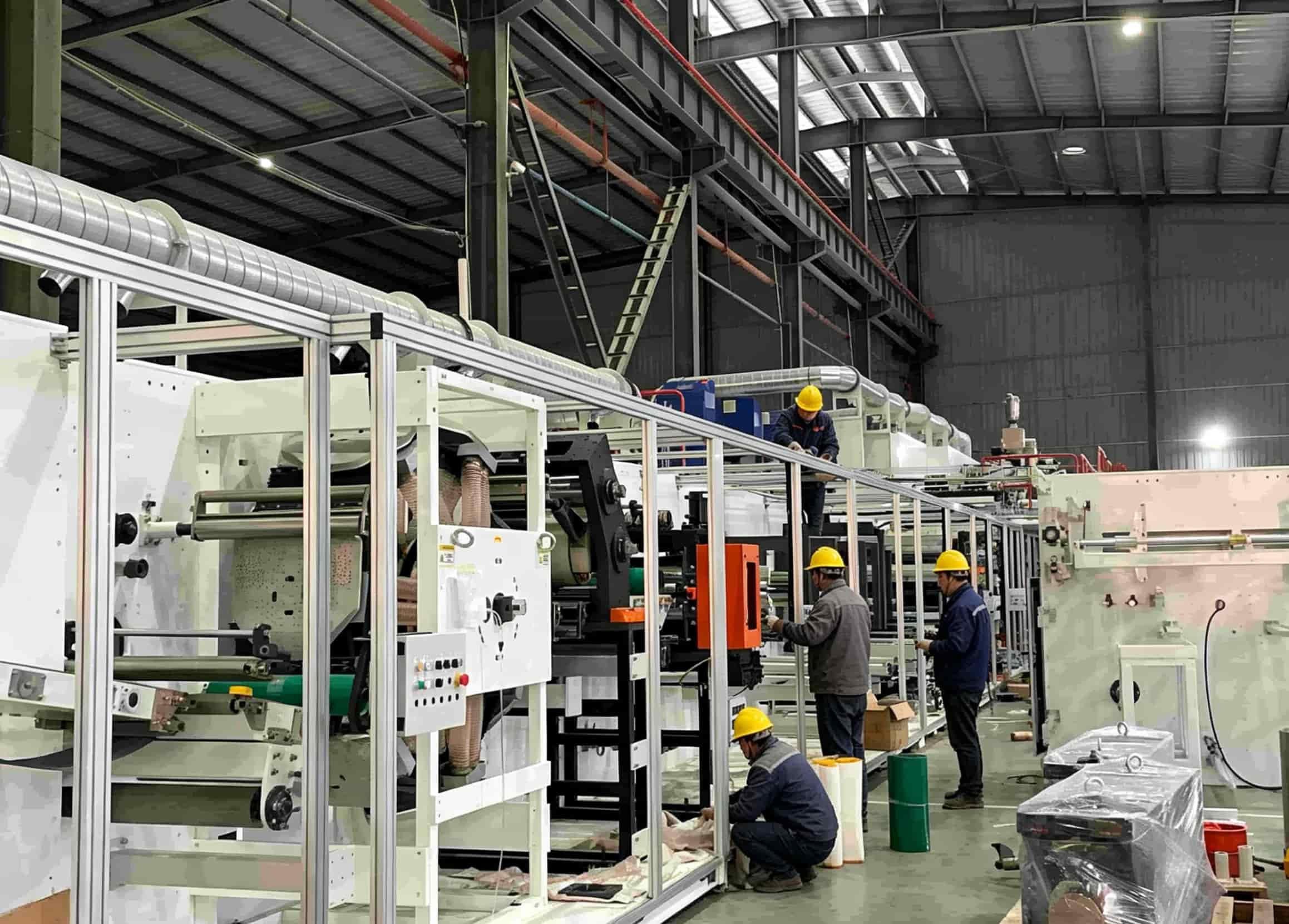
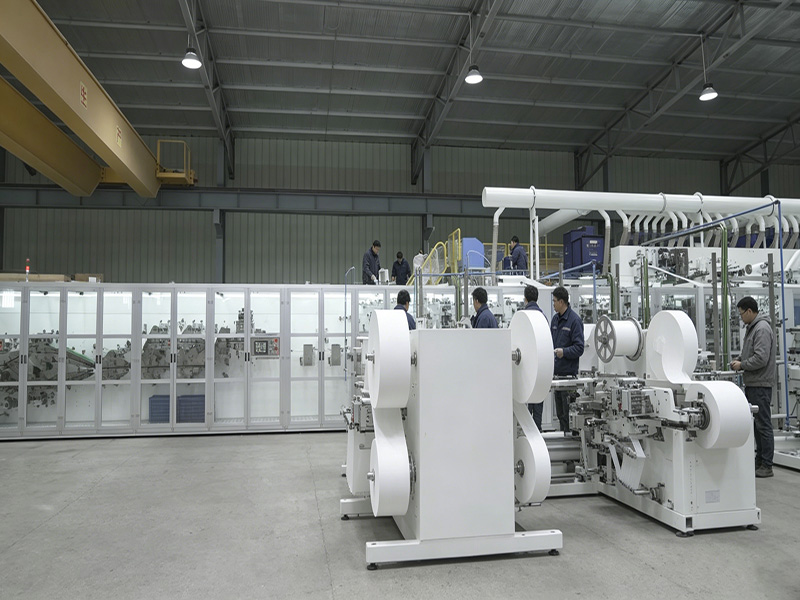
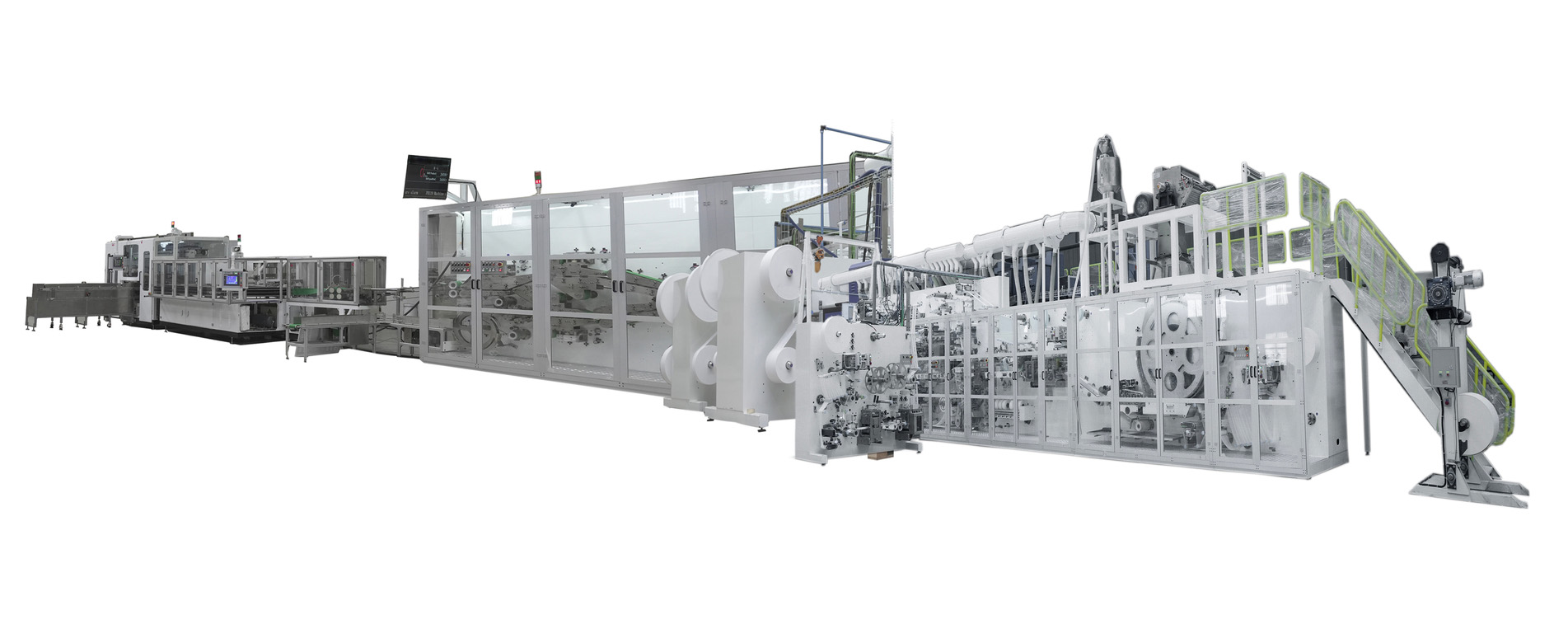
A modern sanitary napkin production line is a complex, multi-station automated system that transforms roll-stock raw materials into finished, packaged products. The table below compares the main configuration levels available in the market today.
| Parameter | Entry-Level Line | Mid-Range Line | High-Speed Full-Servo Line |
|---|---|---|---|
| Design Speed | 200–400 pcs/min | 600–800 pcs/min | 1,000–1,200 pcs/min |
| Investment Range (USD) | $160,000 to $700,000 | ||
| Drive System | Mechanical + partial servo | Full-servo main drive | Full-servo multi-axis |
| Product Types | Regular only | Regular, ultra-thin, maxi | All types incl. overnight, pantyliners |
| Changeover Time | 2–4 hours | 45–90 minutes | 15–30 minutes |
| Material Waste Rate | 4–6% | 2–3% | 0.8–1.5% |
| Monthly Output (single shift) | 3–6 million pcs | 8–12 million pcs | 15–20 million pcs |
| Operators Required | 5–7 | 3–4 | 2–3 |
| Machine Dimensions | 20m × 4m | 28m × 6m | 35m × 7m |
A sanitary napkin line typically handles 6–10 different raw material rolls simultaneously. These include:
Servo-driven unwinders with automatic tension control are essential for maintaining consistent web tension across all materials. Zero-speed splicing systems allow roll changes without stopping the line.
The absorbent core is the heart of any sanitary napkin. Modern lines use two primary core-forming methods:
Airlaid Core Forming: Fluff pulp fibers are defibrated and mixed with SAP powder using a vacuum forming drum. The fiber-to-SAP ratio is precisely controlled for optimal absorption characteristics. This method produces soft, bulky cores ideal for premium ultra-thin pads.
Web-Wheel Core Forming: Pre-formed pulp webs are unwound, cut, and laminated with SAP applied between layers. This method is faster and more suitable for high-speed lines producing standard pads.
High-end machines also offer zoned core forming — creating cores with differentiated density zones. Higher density in the center for fluid distribution and lower density at the edges for comfort.
SAP is the most expensive material in a sanitary napkin, typically accounting for 15–25% of raw material cost. Precision dosing is critical for both product performance and cost control. Modern lines achieve SAP dosing accuracy of ±1.5% using gravimetric feeding systems combined with servo-driven applicators.
Typical SAP content per pad type:
Hot melt adhesive bonds the multiple layers of a sanitary napkin together. A sanitary napkin production line typically has 3–6 hot melt application points: topsheet-to-core, core-to-backsheet, wing adhesive, longitudinal seal, main adhesive strip, and end seals.
Modern lines feature PID-controlled hot melt systems with ±1°C temperature accuracy, ensuring consistent adhesive viscosity and application weight even at 1,000+ pcs/min line speeds. Precise adhesive control directly reduces material waste and prevents contamination of the production environment.
The shaping section converts the continuous laminated web into individual sanitary napkins with the correct contours. This includes:
Full-servo control of the cutting drum ensures synchronization with line speed, achieving cutting accuracy of ±0.3 mm even at maximum speed.
The packaging section includes individual wrap, multi-pack bagging, and carton packing. For high-speed lines, this is often the bottleneck. Key features to look for:
Some manufacturers choose to use separate, slower packaging equipment rather than integrating high-speed packaging into the main line. This reduces line complexity and improves overall uptime.
Let's run the numbers for a mid-range sanitary napkin production line at $350,000 investment:
600 pcs/min × 60 min × 20 hrs × 25 days × 85% = 15,300,000 pads/month
15,300,000 × $0.03 = $459,000/month
$350,000 ÷ $459,000 ≈ less than 1 month (gross profit basis)
Note: A more conservative calculation including overhead, installation, training, and first-year raw material buffer typically yields a 3–7 month payback period for mid-range full-servo lines. Entry-level mechanical lines typically take 10–18 months to break even.
| Factor | Traditional Mechanical Line | Full-Servo Line |
|---|---|---|
| Initial Investment | $160,000 to $700,000 | |
| Max Stable Speed | 300–400 pcs/min | 800–1,200 pcs/min |
| Waste Rate | 4–6% | 0.8–1.5% |
| Changeover Time | 2–4 hours | 15–30 minutes |
| Product Range | 1–2 sizes | Full range (all sizes, styles) |
| Machine Life | 5–8 years | 12–18 years |
| Per-Unit Equipment Cost | $0.0015 – $0.003 | $0.0005 – $0.001 |
When evaluating sanitary napkin production line manufacturers, consider the following:
The sanitary napkin production line market offers attractive opportunities for both new entrants and established hygiene product manufacturers. With a relatively lower investment threshold compared to diaper lines and a stable, growing consumer base, feminine hygiene manufacturing can deliver excellent returns when equipped with the right technology.
For manufacturers targeting growth in this segment, a mid-to-high-speed full-servo line provides the optimal balance of investment, output, and flexibility. The lower waste rate, faster changeovers, and longer machine life of full-servo lines create a clear competitive advantage that mechanical lines cannot match.
Ready to discuss your sanitary napkin production line requirements? Contact First One Machine for a detailed capacity analysis, machine configuration recommendations, and a competitive quotation. Our engineering team has extensive experience installing feminine hygiene lines worldwide.
First One Machine is a leading manufacturer of hygiene product machinery, specializing in full-servo baby diaper machines, adult diaper machines, and sanitary napkin production lines with 100+ installations globally.
WhatsApp : +8615859535393
Email : aria@firstonemachine.com
Tel : +86 -15859535393


Tel: +86 -15859535393 Email: aria@firstonemachine.com