Cost-Saving Strategies for Your Baby Diaper Production Line: Optimize Without Compromising Quality
May 16, 2026
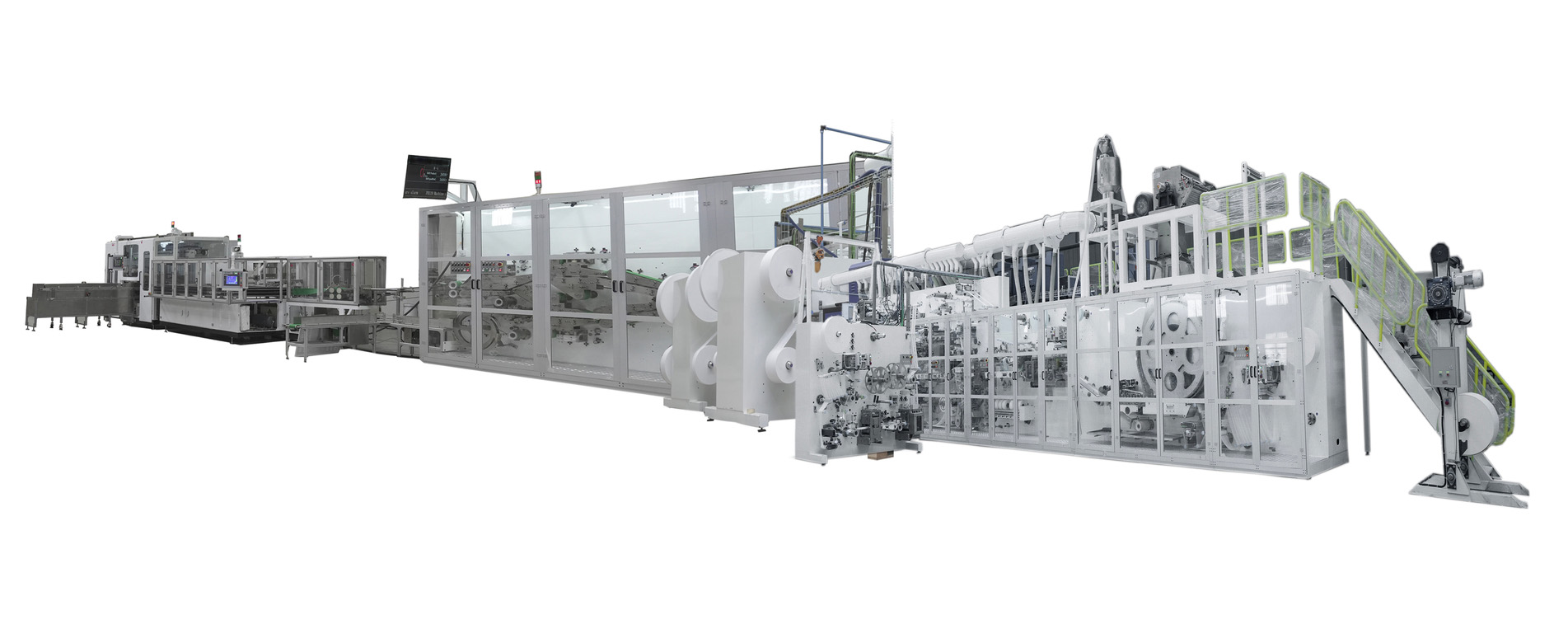
In the highly competitive hygiene product manufacturing industry, every penny counts. For factory owners running a baby diaper production line, balancing cost reduction with product quality is the constant challenge that defines long-term profitability. With raw material prices fluctuating and market demand for affordable yet reliable baby diapers growing across emerging economies, manufacturers must adopt smart, systematic cost-saving strategies rather than simply cutting corners.This article breaks down four key areas where baby diaper manufacturers can reduce operational costs without sacrificing the final product's absorbency, softness, or safety standards. These strategies apply whether you are running a single line or managing a multi-line factory floor.1. Raw Material Optimization and SourcingRaw materials account for roughly 60–70% of total baby diaper production costs. The largest cost drivers are SAP (super absorbent polymer), fluff pulp, non-woven fabrics, and elastic materials. One of the most effective cost-saving moves is to work closely with multiple qualified suppliers and negotiate bulk purchase agreements. Another approach is to evaluate alternative material grades — for example, using a slightly lower SAP-to-fluff ratio that still meets absorption standards but reduces per-unit cost by 5–8%. Some manufacturers also switch to recycled or blended fluff pulp where regulations permit. However, always run thorough quality tests before switching suppliers or material specs, as an absorbency failure can cost far more in returns and brand damage than the material savings.2. Energy Efficiency and Utility ManagementEnergy consumption — electricity for servo motors, compressed air systems, heating units, and ventilation — is the second-largest variable cost in diaper production. Upgrading to full-servo driven machines can reduce energy usage by 20–30% compared to older mechanical cam systems, even though the initial investment is higher. Installing variable frequency drives (VFDs) on motors, optimizing compressed air pipeline layouts to reduce leakage, and scheduling production during off-peak electricity hours are low-cost, high-return measures. One medium-sized factory in Southeast Asia reported a 15% reduction in monthly utility bills simply by fixing air leaks and installing VFDs across three production lines.3. Reducing Waste and Rework RatesWaste reduction has a direct and immediate impact on cost per diaper. A modern diaper making machine equipped with real-time vision inspection systems can detect defects — misaligned elastic, uneven SAP distribution, seal failures — at line speed and trigger automatic rejection, preventing defective products from reaching the packaging stage. This reduces rework material waste by 10–15%. Additionally, implementing lean manufacturing practices like 5S on the production floor and training operators on preventive maintenance schedules can significantly reduce unscheduled downtime and the waste caused by machine start-up and changeover runs.4. Automation and Labor Cost ReductionLabor is a growing cost in most manufacturing regions. Automating material handling, stacking, and packaging reduces the number of operators needed per shift. A fully automated baby diaper line with robotic palletizing can run with just 2–3 skilled technicians per shift instead of 6–8 workers on a semi-automated line. While the automation upgrade represents a significant upfront investment, the payback period is typically 12–18 months through labor savings alone. Plus, automation improves consistency and reduces the human error that leads to costly re-runs. Investing in hygiene product manufacturing automation is not just about cutting today's costs — it is about future-proofing your factory against rising labor rates and tightening quality standards.Comparison: Traditional vs. Optimized Baby Diaper Production
Cost Factor
Traditional Approach
Optimized Approach
Potential Savings
Raw Materials
Single supplier, standard grades
Multi-supplier, alternative blends
5–10%
Energy
Fixed-speed motors, continuous run
Servo drives, VFDs, peak scheduling
15–30%
Waste Rate
3–5% reject rate, manual inspection
Vision inspection, auto rejection
10–15% reduction
Labor
6–8 workers per shift
2–3 technicians per shift
50–70%
Conclusion
Cost-saving in baby diaper production is not about using cheaper materials or skipping quality checks. It is about strategic optimization across materials, energy, waste control, and automation. By taking a systematic approach, manufacturers can reduce per-diaper cost by 15–25% while maintaining or even improving product quality. Factory owners considering a new line or upgrading existing equipment should carefully evaluate these four areas to maximize their return on investment and stay competitive in the fast-growing global baby diaper market.