Raw Material Optimization for Adult Diaper Production Lines: A Manufacturer's Guide
May 17, 2026
In the competitive hygiene product industry, raw material costs typically account for 60–70% of total production expenses. For manufacturers operating an adult diaper production line, optimizing material sourcing and usage is one of the most effective ways to improve margins without sacrificing product quality. This guide covers the key raw materials used in adult diaper manufacturing and practical strategies for cost-effective sourcing and waste reduction.
Understanding the Key Raw Materials
An adult diaper consists of several specialized layers, each serving a critical function. The main components include:
Fluff pulp – The absorbent core's primary component, responsible for liquid retention
SAP (Super Absorbent Polymer) – The high-performance polymer that locks moisture inside the core
Nonwoven fabric (top sheet & back sheet) – Provides comfort on the skin side and leakage protection on the outer side
Elastic materials (leg cuffs & waistband) – Ensures a secure, comfortable fit
Adhesives (hot melt & construction) – Bonds layers together during the assembly process
Each of these materials has its own price volatility, quality tiers, and supplier landscape. Understanding how to balance cost and quality across all of them is the key to running a profitable operation.
Key Optimization Strategies
1. Bulk Procurement and Supplier Consolidation
Rather than sourcing from multiple small suppliers for each material type, consolidate your purchases with fewer, larger suppliers. This approach gives you stronger negotiating power and often results in volume discounts of 5–15% on key materials like fluff pulp and SAP.
2. SAP-to-Fluff Ratio Optimization
The ratio of SAP to fluff pulp directly affects both absorbency performance and material cost. SAP is significantly more expensive than fluff pulp, but it provides superior liquid retention. By fine-tuning this ratio based on your target market's requirements, you can reduce costs while still meeting performance specifications. For standard adult incontinence products, a lower SAP ratio may be sufficient, while premium products require higher SAP content.
3. Reducing Waste Through Precision Control
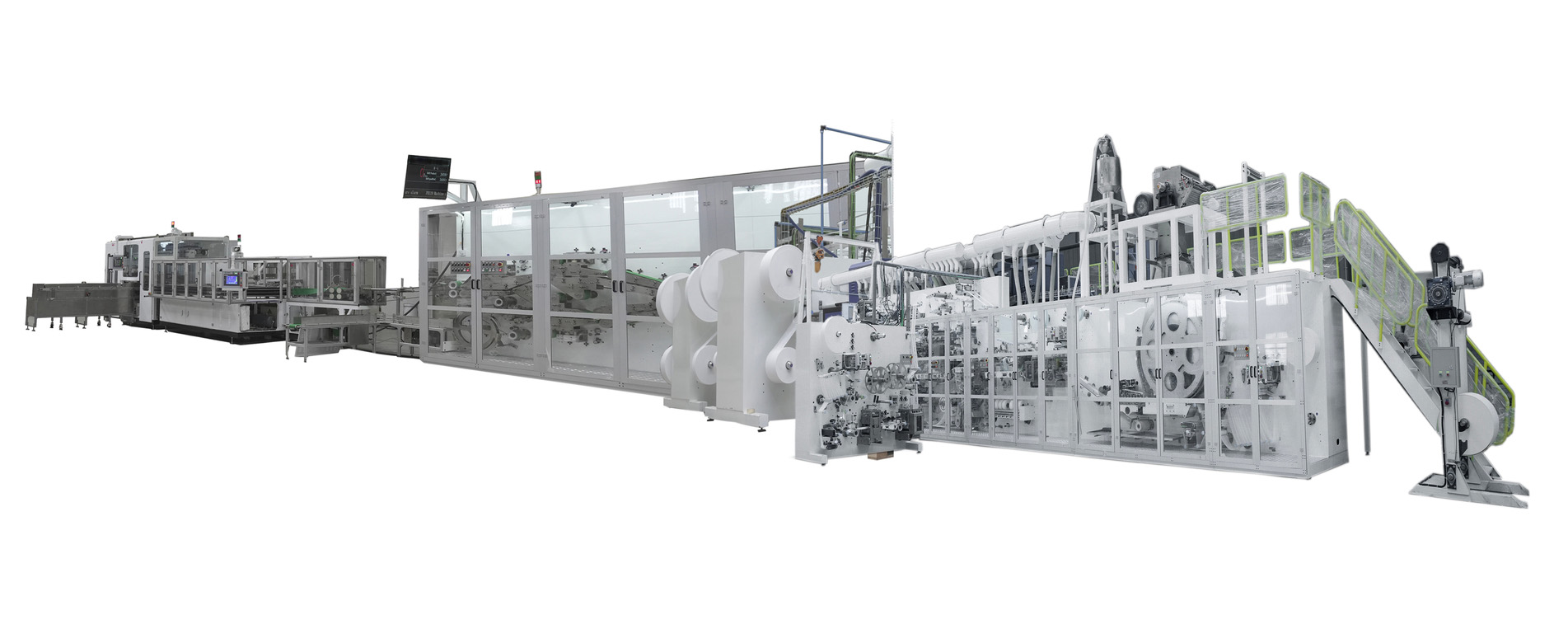
Modern full-servo diaper making machine systems offer precise control over material feeding, cutting, and placement. This precision minimizes trim waste and reduces the amount of material that ends up as scrap. Factories that upgrade to servo-driven systems typically see raw material waste reductions of 3–8%, which translates into substantial annual savings at scale.
4. Alternative Material Sourcing
Explore alternative suppliers in different regions to reduce dependency on a single source. Many manufacturers have found that diversifying fluff pulp sources between South America, North America, and Southeast Asia provides both cost advantages and supply chain resilience.
Cost Impact Comparison
Strategy
Cost Reduction Potential
Implementation Complexity
Risk Level
Bulk Procurement
Moderate (5–15%)
Low
Low
SAP Ratio Optimization
Significant
Moderate
Medium (requires testing)
Waste Reduction via Servo Control
Moderate (3–8%)
High (equipment upgrade)
Low
Supplier Diversification
Varies by region
Moderate
Low (reduces risk)
Quality Considerations
While material cost optimization is essential for profitability, never compromise on quality to the point where it affects product performance. The best manufacturers continuously test incoming raw materials and monitor finished product quality to ensure that cost savings do not translate into higher defect rates or customer complaints. Investing in a reliable hygiene product manufacturing line with precise material handling capabilities helps maintain quality while reducing waste.
Final Thoughts
Raw material optimization is not a one-time exercise—it requires ongoing attention to market prices, supplier relationships, and production data. Manufacturers who invest in this area gain a meaningful competitive advantage through lower cost per unit, improved supply chain stability, and better product consistency. Start by auditing your current material usage and identifying the three biggest opportunities for cost savings, then implement improvements one at a time for measurable results.