The global adult diaper market is experiencing unprecedented growth, driven by aging populations worldwide and increasing awareness of incontinence management. Valued at approximately $25 billion in 2025, the market is projected to exceed $40 billion by 2032. For hygiene product manufacturers, this represents a significant expansion opportunity that demands careful production line selection.
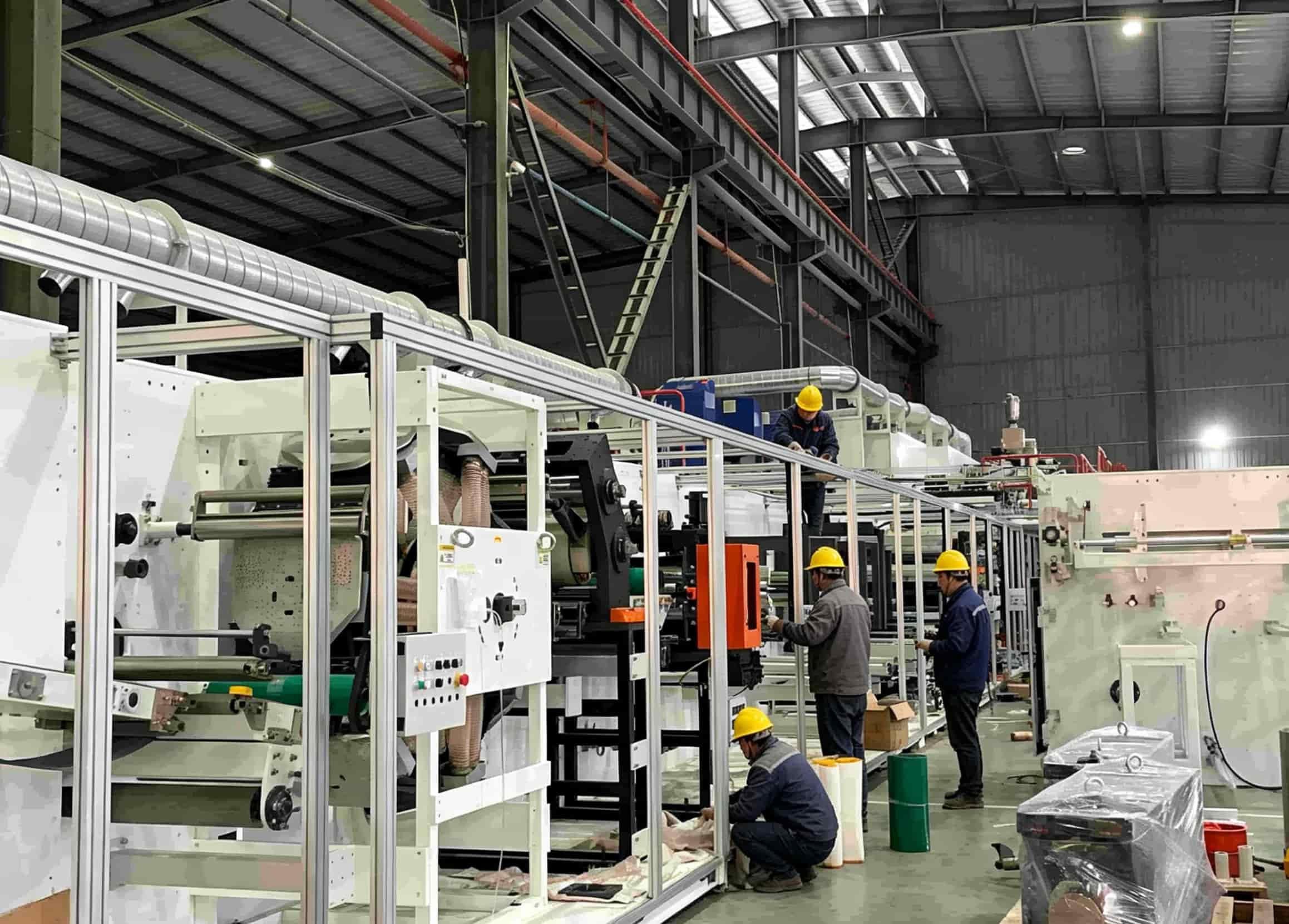
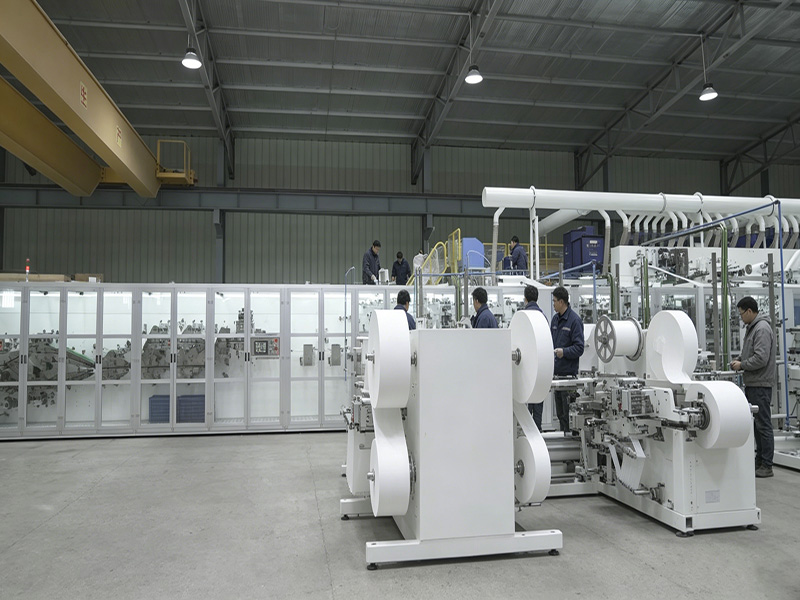
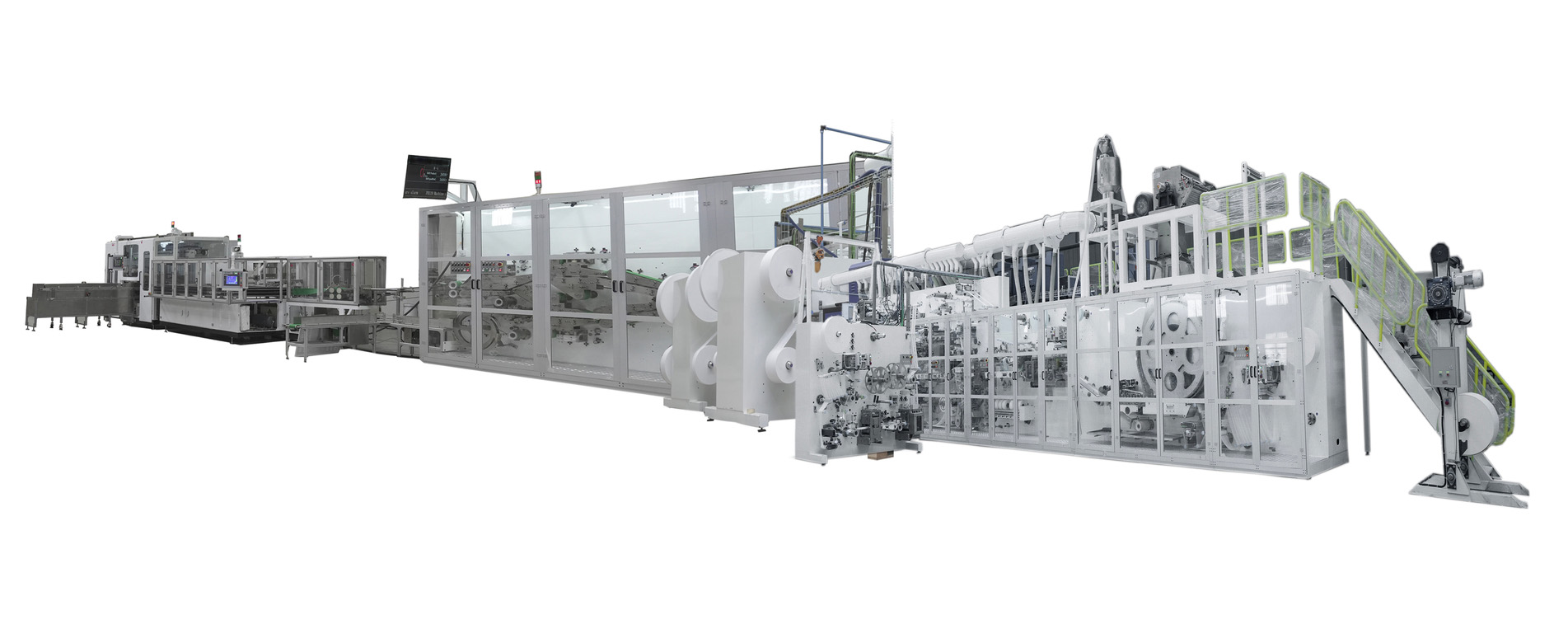
Unlike baby diaper manufacturing, adult diaper production presents unique engineering challenges — larger product dimensions, higher absorbency requirements, and different elastic configurations. This guide provides a detailed technical and commercial overview of heavy-duty adult diaper production line for serious manufacturers.
The demographic tailwind is clear. By 2030, over 1.4 billion people worldwide will be aged 60 or older. China alone has over 260 million people aged 60+, with adult diaper penetration rates still below 10% in many developing markets (compared to 50–60% in Japan and Western Europe).
This gap drives growing demand for adult diaper manufacturing equipment capable of producing both pull-up pants-style and tape-style adult diapers at industrial scale.
Key market segments:
A heavy-duty adult diaper production line differs fundamentally from baby diaper lines in several critical aspects. Here is a direct comparison:
| Specification | Baby Diaper Line | Adult Diaper Line |
|---|---|---|
| Product Size | 300–450 mm length | 500–900 mm length |
| SAP Dosing Capacity | 8–15 g/diaper | 15–40 g/diaper |
| Pulp Consumption | 10–20 g/diaper | 30–60 g/diaper |
| Line Speed (stable) | 400–600 ppm | 80–200 ppm |
| Leg Elastic Range | 3–6 strands | 6–12 strands |
| Waist Elastic Type | Front waist only | 360° full waistband |
| Core Forming Method | Airlaid or web-wheel | Multi-layer web-wheel |
| Machine Weight | 60–80 tons | 70–100 tons |
Table: Key technical differences between baby diaper and adult diaper production lines.
Adult diapers require 2–4× the absorbent core volume of baby diapers. This demands:
Adult diaper users require superior fit and leak protection. Modern lines apply:
A competitive adult diaper making machine must support rapid changeover between:
Full-servo-driven changeover can reduce size-switching time from 4 hours (mechanical) down to 20–40 minutes.
Adult diapers are bulkier than baby diapers. The packaging station must handle:
Just as in baby diaper production, full-servo drive architecture has become the gold standard for adult diaper production lines. Compared to traditional mechanical drives, full-servo systems offer:
For a full servo adult diaper machine, these advantages translate directly into higher product quality and better profit margins.
Investment Range by Line Type:
| Line Type | Investment Range | Monthly Output (single shift) | ROI Period |
|---|---|---|---|
| Entry-Level Mechanical | $400,000 – $1200,000 | 1–2 million pcs | 18–30 months |
| Mid-Range Semi-Servo | 3–5 million pcs | 12–18 months | |
| Heavy-Duty Full Servo | 5–8 million pcs | 8–14 months |
Table: Investment, output and ROI comparison across adult diaper line tiers.
The higher upfront cost of a full-servo heavy-duty line is offset by:
When selecting a manufacturer for your adult diaper production line, evaluate these factors:
The adult diaper market offers one of the strongest growth opportunities in the hygiene product manufacturing sector today. As global demographics shift and developing markets increase penetration rates, demand for high-quality adult diapers will continue to rise.
Investing in a properly specified adult diaper production line — particularly a full-servo heavy-duty system — positions manufacturers to capture this growing market with superior product quality, lower per-unit costs, and long-term operational reliability.
For a detailed capacity analysis and equipment quotation tailored to your production requirements, contact our engineering team at First One Machine.
WhatsApp : +8615859535393
Email : aria@firstonemachine.com
Tel : +86 -15859535393


Tel: +86 -15859535393 Email: aria@firstonemachine.com