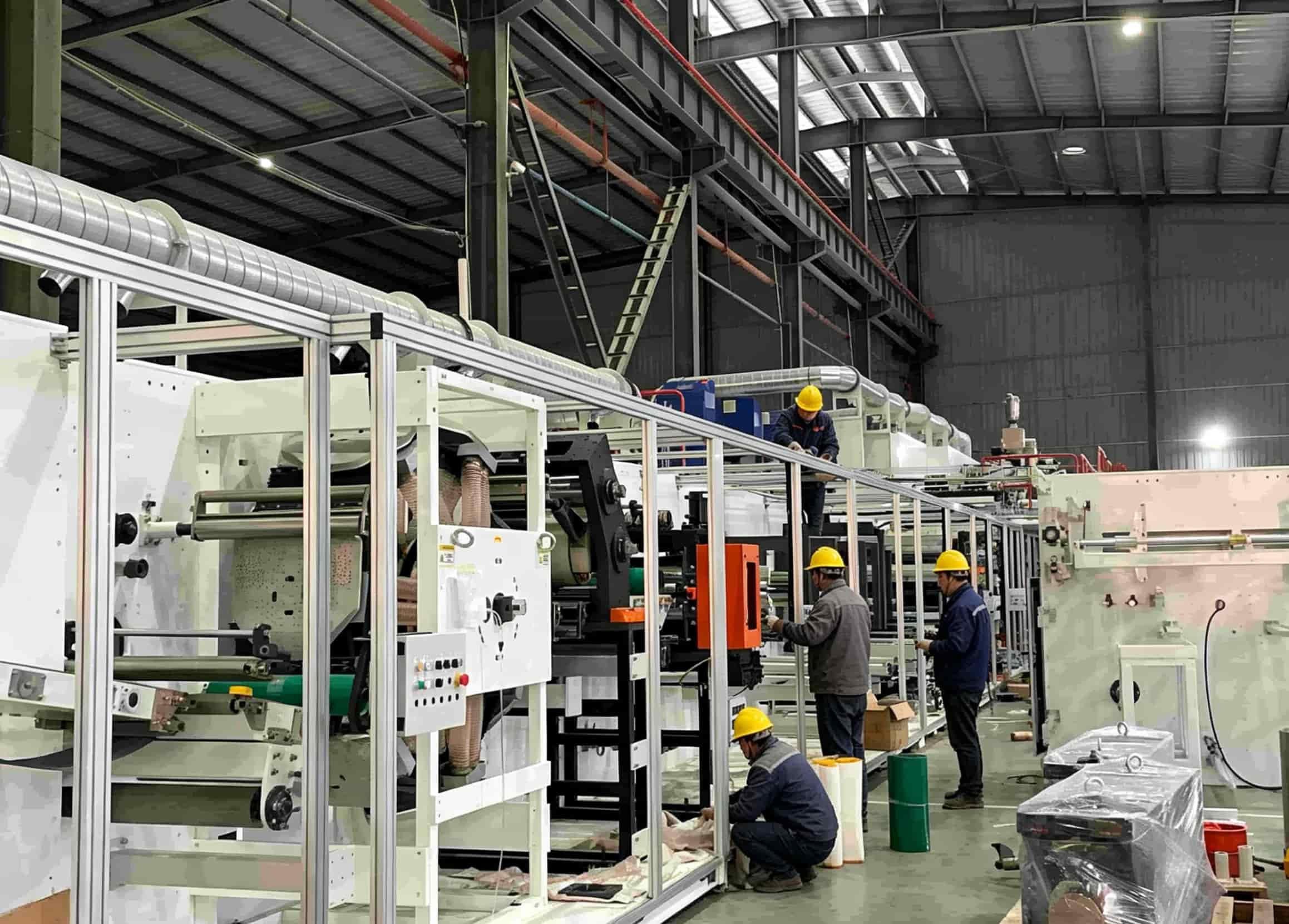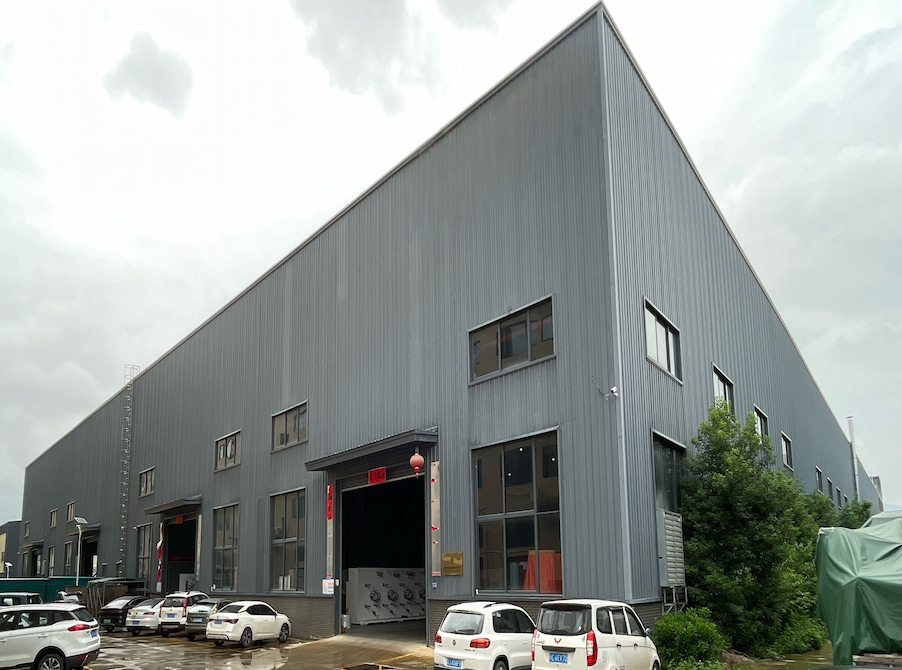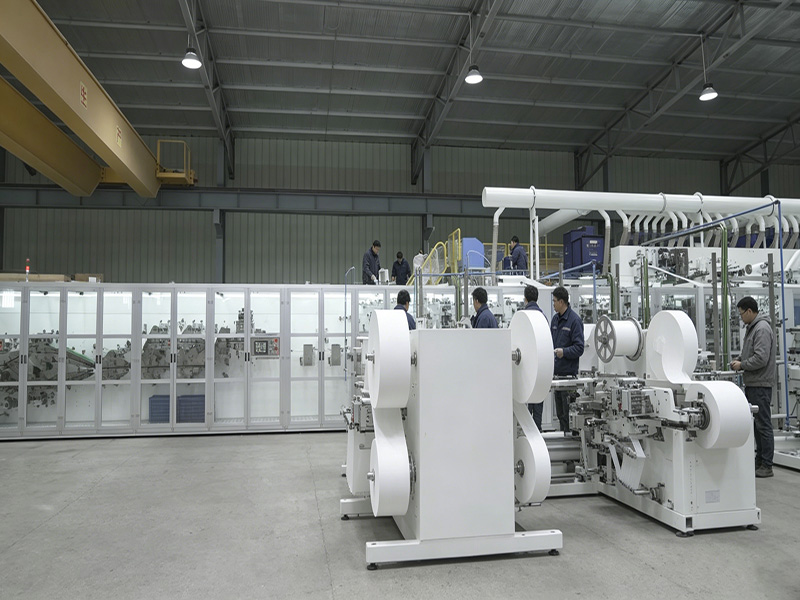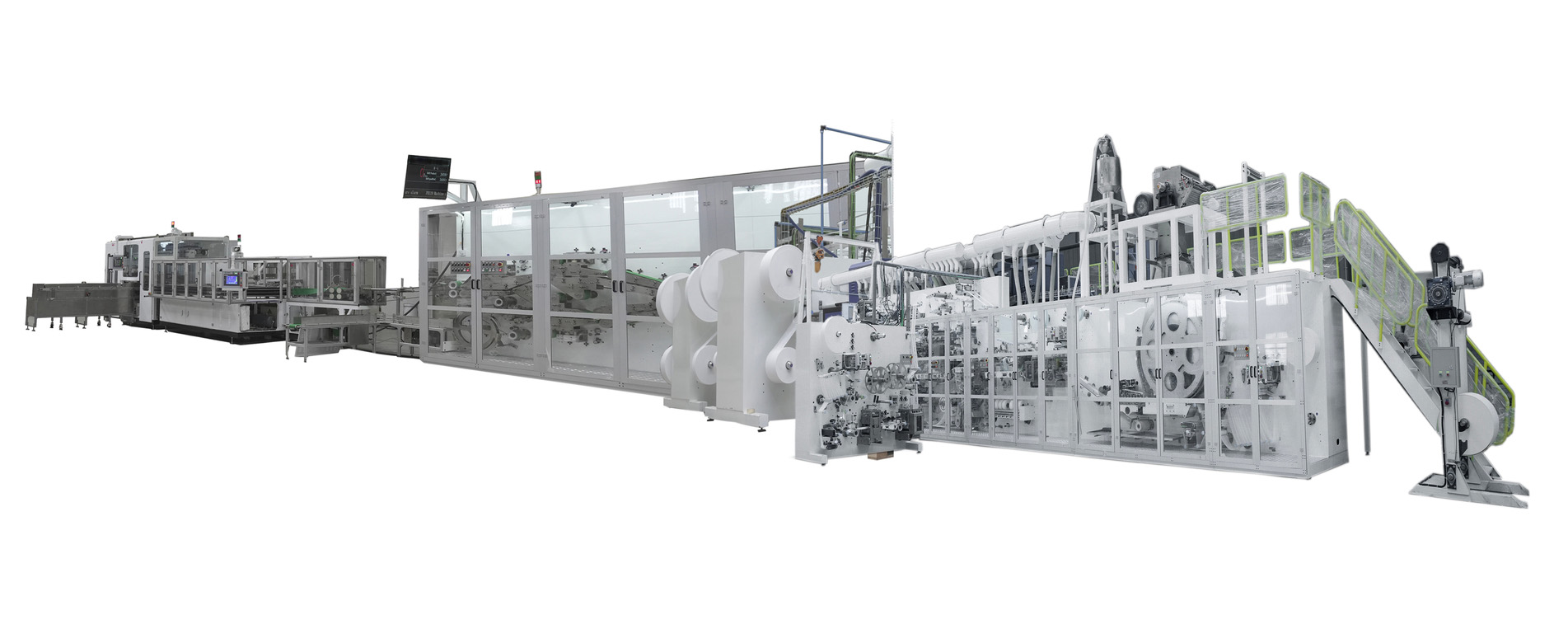
Quality consistency is the single biggest challenge in adult diaper production. Unlike other hygiene products, adult incontinence briefs must meet higher absorbency standards, stricter leakage prevention requirements, and greater comfort demands — all while keeping production costs in check. For manufacturers investing in an adult diaper production line, understanding the key quality control checkpoints is essential to staying competitive.
The quality of the final product starts with raw materials. Fluff pulp, SAP (super absorbent polymer), nonwoven fabric, elastic materials, and adhesive must all meet strict specifications before entering the diaper making machine. Key parameters to test include:
| Material | Critical Quality Parameter | Acceptable Range |
|---|---|---|
| Fluff Pulp | Fiber length & softness | 2.5–3.5 mm average |
| SAP Powder | Absorption rate & gel strength | ≥ 30 g/g (0.9% saline) |
| Nonwoven Fabric | Basis weight & tensile strength | 15–25 gsm, ≥ 40 N/50mm |
| Elastic Material | Elongation & recovery rate | ≥ 200% elongation, ≥ 85% recovery |
| Hotmelt Adhesive | Viscosity & open time | 3000–5000 mPa·s at 160°C |
Consistent adult diaper production requires real-time monitoring at multiple stages:
Before adult diapers leave the factory, a rigorous final testing protocol should be followed:
Traditional mechanical production lines rely on gearboxes and mechanical cams, which drift over time and require frequent manual recalibration. Full-servo hygiene product manufacturing technology eliminates this problem by using individually-controlled servo motors for each production station. The benefits include:
Understanding what goes wrong helps operators prevent defective output. The most common defects in adult diaper production include:
| Defect | Root Cause | Solution |
|---|---|---|
| SAP leakage at edges | Incorrect vacuum pressure at SAP deposition station | Calibrate vacuum system; check SAP funnel alignment |
| Leg cuff leakage | Elastic tension out of spec | Check servo encoder feedback on elastic modules |
| Misshapen core | Pulp mill clogged or hammers worn | Clean pulp mill; replace hammers every 2000 hours |
| Uneven glue application | Nozzle partially blocked | Implement automatic nozzle cleaning every 4 hours |
| Loose waistband | Elastic not fully stretched before lamination | Verify stretch ratio setting; check dancer roller tension |
Equipment alone doesn't guarantee quality. Manufacturers should invest in operator training programs, implement statistical process control (SPC) dashboards on the production floor, and establish clear acceptable quality limits (AQL) aligned with international standards such as ISO 9001 and the applicable medical device regulations for incontinence products.
Regular third-party audits every 6 months help identify improvement opportunities that internal teams might overlook. Many leading adult diaper manufacturers also participate in inter-laboratory proficiency testing to validate their in-house testing results against industry benchmarks.
Quality consistency in adult diaper production is achievable through a combination of precise raw material control, real-time in-process monitoring, rigorous final product testing, and investment in modern full-servo production technology. For manufacturers looking to enter or expand in the incontinence care market, partnering with a reliable production line supplier that understands these quality parameters can significantly shorten the learning curve and reduce time-to-market.
WhatsApp : +8615859535393
Email : aria@firstonemachine.com
Tel : +86 -15859535393


Tel: +86 -15859535393 Email: aria@firstonemachine.com