The global feminine hygiene market continues to expand, with sanitary napkin demand growing steadily across developing regions in Asia, Africa, and Latin America. For manufacturers looking to enter or scale up in this space, investing in a modern, fully automatic sanitary napkin production line is no longer just an option—it is a strategic necessity. This article explores the key technology trends shaping sanitary napkin manufacturing and the market opportunities that come with them.
According to industry reports, the global feminine hygiene products market is projected to reach USD 50 billion by 2030, growing at a CAGR of around 5–6%. Urbanization, rising awareness of menstrual health, and improving disposable income in developing countries are driving this growth. For machinery buyers—especially those in emerging markets—setting up a sanitary napkin production line offers a relatively fast path to capturing local demand while building a brand in the hygiene products space.
Unlike baby diapers or adult incontinence products, sanitary napkins require specific production technologies to ensure softness, absorption, leak protection, and comfort. This specialization creates a niche where the right machinery makes all the difference.
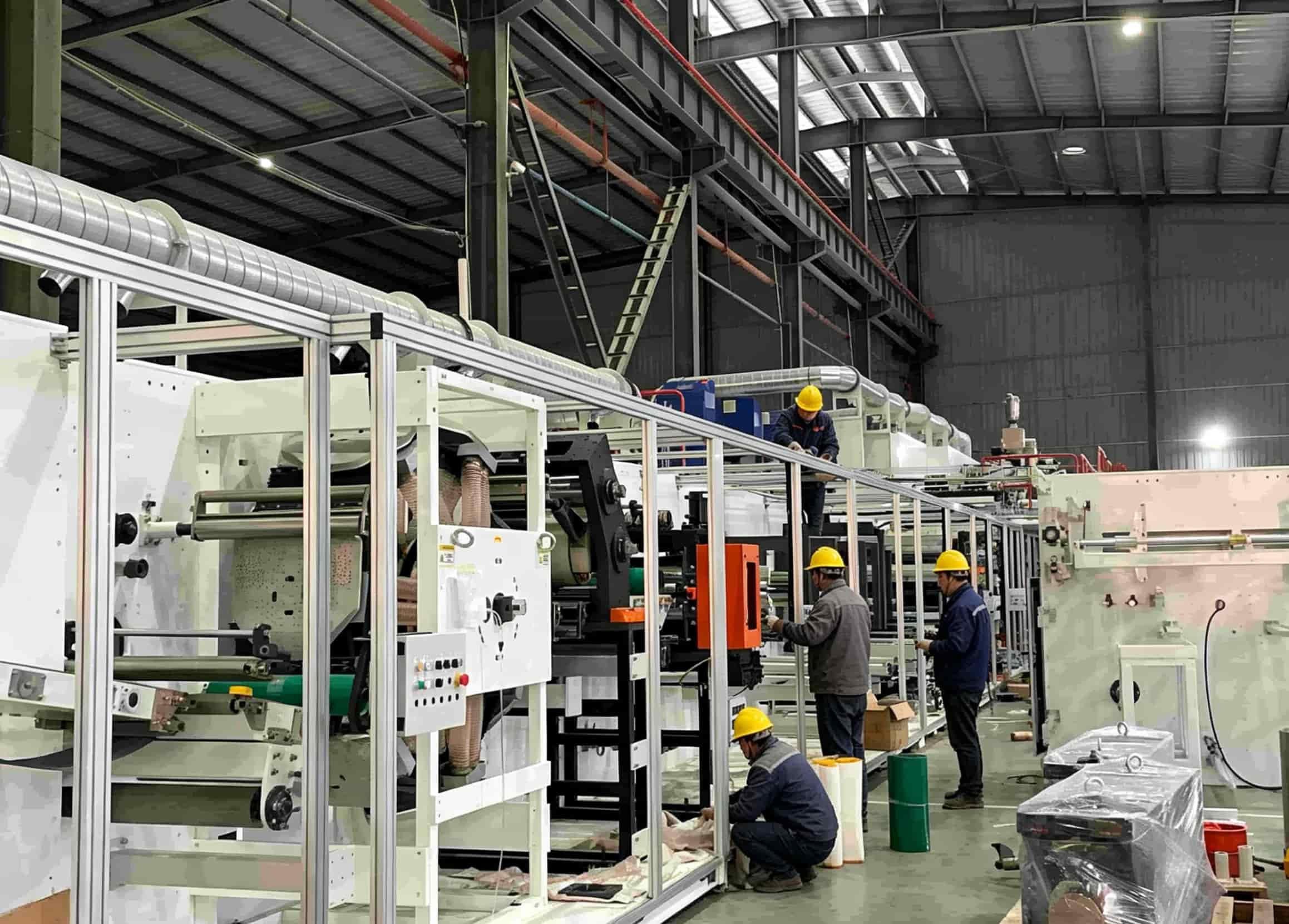
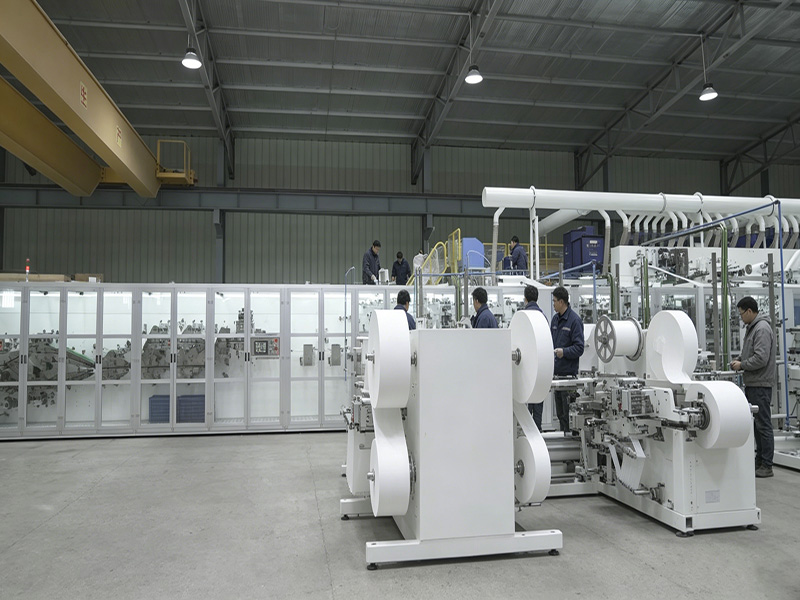
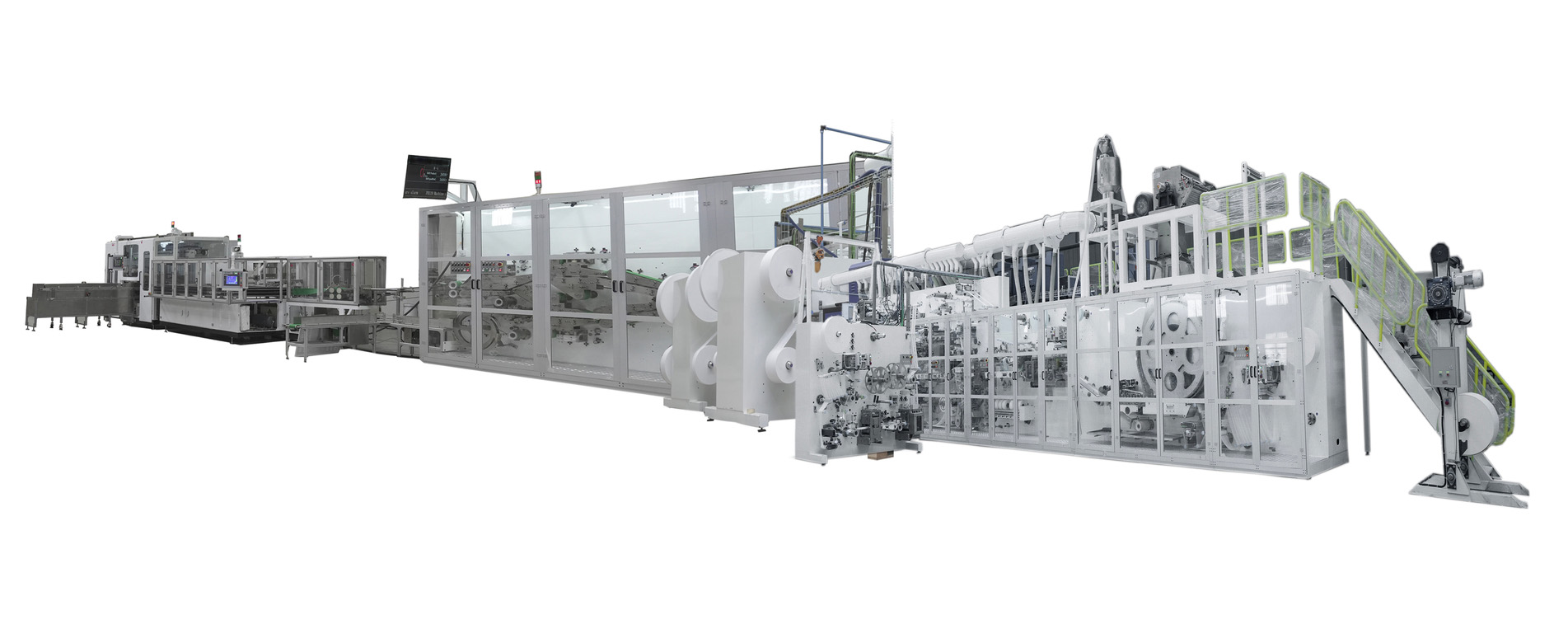
Modern sanitary napkin lines are shifting from mechanical cam systems to full servo-driven platforms. A full servo sanitary napkin making machine offers precise control over every production stage—from pulp grinding and forming to embossing and packaging. The benefits include faster changeover times between product sizes, reduced material waste, and higher overall equipment effectiveness (OEE). For factory owners, this translates directly into lower per-unit costs and greater production flexibility.
Today's premium sanitary napkins consist of multiple layers: a top sheet, an acquisition distribution layer, an absorbent core (often SAP + fluff pulp), a back sheet, and release paper. Advanced production lines integrate automated unwinding, splicing, and tension control for each layer, minimizing downtime and ensuring consistent product quality. The ability to handle different material combinations without manual intervention is a key differentiator between entry-level and high-end lines.
The latest lines incorporate vision inspection systems that detect defects in real time—checking for proper embossing patterns, missing adhesive strips, or misaligned wings. Combined with automatic packaging systems (flow wrap, bagging, or cartoning), these features reduce labor dependency and improve output consistency. For manufacturers supplying both domestic and export markets, having an automatic production line with integrated quality control is a major competitive advantage.
Different markets demand different product formats. Here is a breakdown of popular sanitary napkin types and the production capabilities required:
| Product Type | Key Features | Production Requirement |
|---|---|---|
| Ultrathin (0.1 cm) | SAP core, soft cover, discrete feel | Precision SAP dosage, low-temp embossing |
| Maxi / Overnight | Extended length, wider back, wings | Flexible mold adjustment, wing folding unit |
| Pantyliner | Thin, light, less absorbent | High-speed lightweight material handling |
| Hybrid / Period Panty Insert | Reusable outer + disposable insert | Custom die-cut, convertible line design |
A versatile diaper making machine platform can often be adapted for pad-type products, but dedicated sanitary napkin lines optimize for the specific material handling and packaging needs of feminine hygiene products.
Entry-level lines run at 150–250 pcs/min, while high-speed lines achieve 400–600+ pcs/min. Your target volume and market pricing should guide this choice. For startups, a medium-speed line with servo control offers the best balance of cost and capability.
The absorbent core is the heart of any sanitary napkin. Ensure the line supports both airlaid and SAP-core production, and can handle different pulp types. Compatibility with biodegradable and bamboo-based materials is becoming increasingly important as eco-conscious regulations spread across Europe and Southeast Asia.
This cannot be overstated: a hygiene product manufacturing line is a long-term asset. Choose a supplier who provides on-site installation, operator training, and a reliable supply of spare parts. Downtime in a sanitary napkin factory means lost revenue and missed delivery deadlines.
The sanitary napkin market offers strong and sustained growth, especially in developing regions where penetration rates are still low. Investing in a modern, full-servo sanitary napkin production line positions your factory to capture this demand with high efficiency, consistent quality, and the flexibility to adapt to changing product trends. Whether you are a first-time buyer or expanding an existing hygiene product facility, understanding the technology landscape is the first step toward making a smart investment decision.
WhatsApp : +8615859535393
Email : aria@firstonemachine.com
Tel : +86 -15859535393


Tel: +86 -15859535393 Email: aria@firstonemachine.com