other
  • How to Choose a Sanitary Napkin Making Machine: A Buyer's Guide for Production Managers May 22, 2026
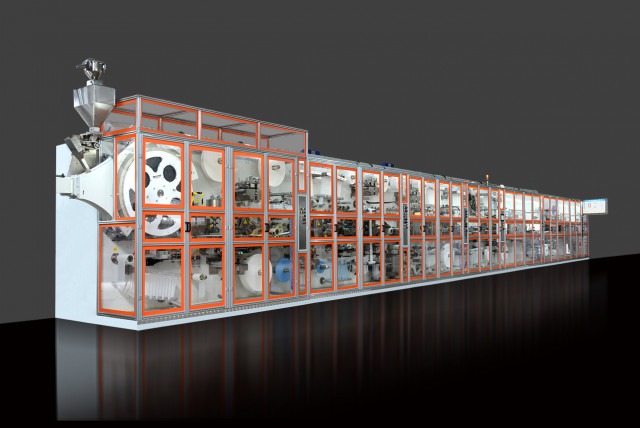
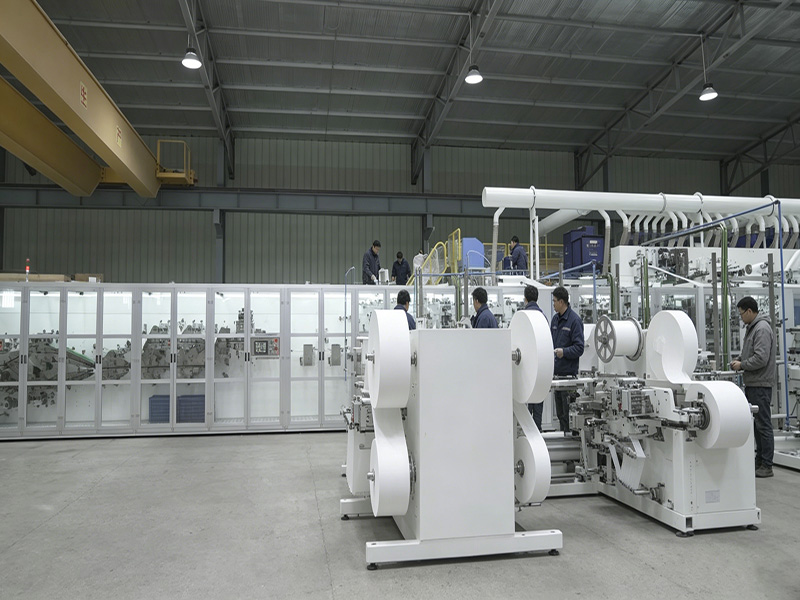
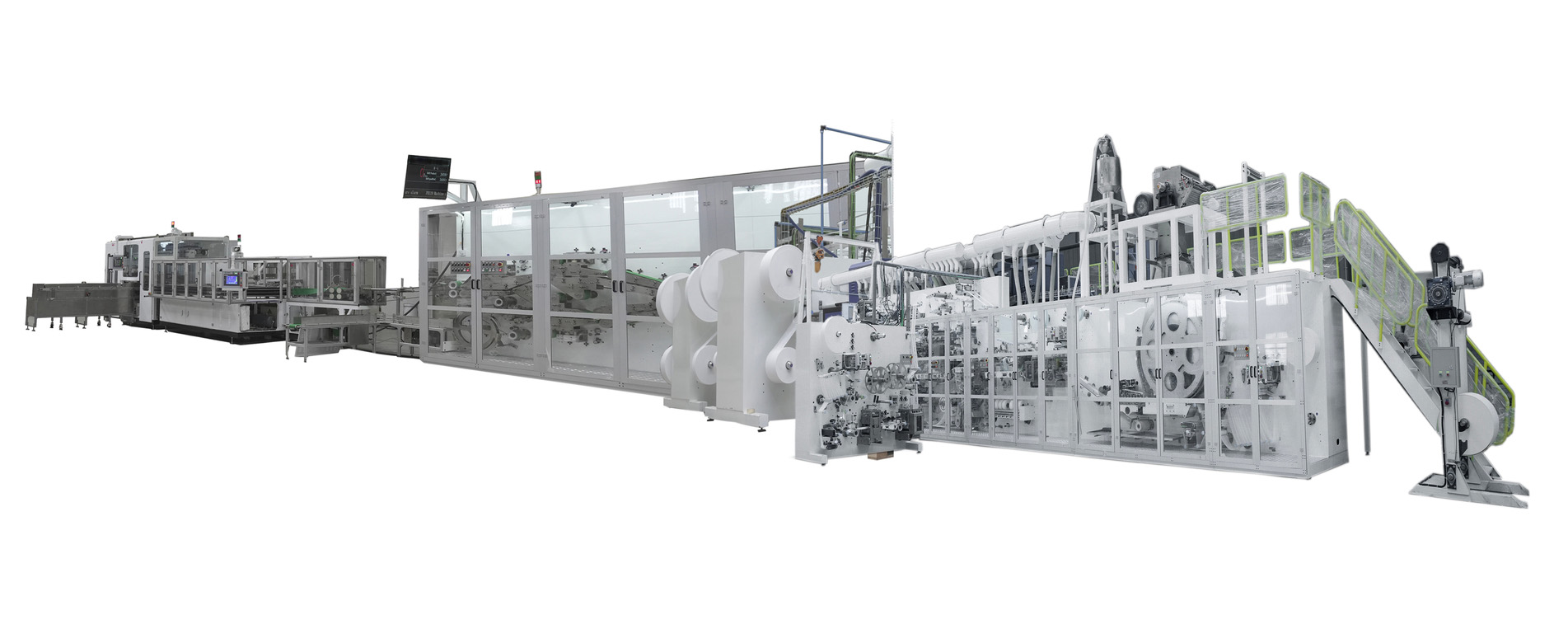
    Investing in a sanitary napkin production line is a major capital decision. Whether you are expanding an existing facility or launching a new hygiene product venture, choosing the right machine directly impacts your product quality, production capacity, and long-term profitability. This guide walks through the key factors every production manager and factory owner should evaluate. 1. Understand Your Target Market Different markets demand different product specifications. Some regions prefer ultrathin winged sanitary napkins, while others prioritize thicker, more absorbent pads. A quality sanitary napkin making machine should offer flexible customization—allowing you to adjust product size, thickness, wing design, and packaging format. This flexibility ensures your line can adapt to shifting market trends without requiring a new machine investment. 2. Speed vs. Stability: Finding the Balance Machine speed is often the first spec buyers look at, but consistent, reliable output matters more than a headline number. A machine running at 800–1000 pcs/min with minimal downtime and low rejection rates will outperform a faster machine plagued by frequent stoppages and material waste. Look for full-servo driven systems, which provide precise synchronization across unwinding, forming, cutting, folding, and stacking. Servo-driven machines eliminate mechanical transmission lag, resulting in smoother operation and fewer defects. 3. Build Quality and Component Sourcing A sanitary napkin production line is only as reliable as its components. Machines built with brand-name parts—such as Mitsubishi, Siemens, SICK, Schneider, NSK/SKF, BST, FIFE, or SMC—offer superior durability and service life. CNC-machined key components ensure long-term stable operation even under 24-hour continuous production. Before purchasing, ask your supplier about the origin and brand of core components. 4. Ease of Operation and Maintenance A machine that is difficult to operate or maintain will drain your resources in the long run. Modern sanitary napkin machines should feature intuitive PLC/HMI interfaces that are easy for operators to learn. Modular design is also critical—it simplifies maintenance, allows quick part replacement, and reduces downtime. The ability to switch between product sizes and styles in minutes (not hours) is a hallmark of a well-designed machine. 5. Material Efficiency and Waste Reduction SAP (superabsorbent polymer), pulp, nonwoven fabrics, and adhesive are all significant cost inputs. An intelligent machine with precise servo control can optimize material usage—reducing waste of topsheet, backsheet, elastics, and adhesives. Even a modest reduction in rejection rate translates into meaningful savings over a year of operation. Look for machines with features like intelligent tension control and precise adhesive application. 6. After-Sales Support and Service This is arguably the most overlooked factor. Hygiene product manufacturing equipment is complex, and when something goes wrong, you need fast, competent support. The best manufacturers offer comprehensive turnkey service: site selection advice, installation, commissioning, operator training, and ongoing technical support. Ask whether the supplier sends engineers overseas for on-site service and machine updates, and how quickly they respond to service requests. 7. Industry 4.0 Readiness Production environments are becoming increasingly data-driven. A future-ready sanitary napkin making machine should support Industry 4.0 features—integrated data acquisition (OEE tracking, output monitoring, waste analysis), and compatibility with factory automation systems. This data helps you identify bottlenecks, optimize processes, and continuously improve production efficiency. Machine Comparison at a Glance Feature Entry-Level Machine Mid-Range Machine High-End Full-Servo Machine Control System Frequency motor / Semi-servo Semi-servo / Partial servo Full-servo Production Speed Moderate Fast Up to 1000 pcs/min Product Consistency Standard Good Excellent (micron-level precision) Material Waste Rate Higher Moderate Lowest Changeover Time Longer Moderate Fastest (minutes) Maintenance Requirement Higher Moderate Lowest Core Component Brands Standard brands Mixed brands World-famous brands (Mitsubishi, Siemens, SICK, Schneider, NSK/SKF) Industry 4.0 Ready No Optional Yes (OEE tracking, data acquisition, remote monitoring) Best For Startups with limited budget Growing businesses High-volume production, premium quality focus Frequently Asked Questions 1. What is the difference between a full-servo and a semi-servo sanitary napkin making machine? A full-servo sanitary napkin making machine uses servo motors on every critical axis—unwinding, forming, cutting, folding, and stacking—providing precise synchronization and micron-level accuracy. A semi-servo machine only uses servo drives on certain sections, with other parts driven by traditional mechanical transmission. Full-servo machines offer higher output quality, lower waste rates, faster changeovers, and reduced maintenance costs, making them the preferred choice for serious manufacturers aiming for consistent premium product output. 2. How much floor space does a sanitary napkin production line require? A standard sanitary napkin production line typically requires approximately 28m × 7m (L×W) of floor space, plus additional room for material storage, operator access, and maintenance clearance. Total installation area usually ranges from 250–400 square meters depending on the machine configuration and auxiliary equipment. It is advisable to consult with the manufacturer during the site planning phase to ensure adequate space allocation. 3. What after-sales support should I expect from a sanitary napkin machine manufacturer? A reliable manufacturer should provide comprehensive turnkey service including site selection advice, installation, commissioning, operator training, and ongoing technical support. The best suppliers offer lifetime service with engineers available for overseas installation and maintenance, and send technicians regularly to service and update machines. When evaluating a sanitary napkin machine supplier, ask about their global service network, response times, spare parts availability, and whether they provide remote diagnostics and support. Final Thoughts Choosing a sanitary napkin making machine is not about finding the cheapest option or the fastest speed rating. It is about finding the right balance of speed, reliability, flexibility, and support that matches your specific production needs and market goals. Take the time to evaluate suppliers carefully, visit their facilities if possible, and ask for references. A well-chosen machine will serve your business for years to come.
  • Sanitary Napkin Production Line Cost Analysis: What Manufacturers Need to Know Before Investing May 12, 2026
    Investing in a sanitary napkin production line is a significant capital decision that directly impacts your factory's profitability and market competitiveness. While the feminine hygiene market continues to expand across Africa, Southeast Asia, and the Middle East, many manufacturers jump into production without fully understanding the cost structure and return dynamics. This article breaks down the real costs and profit drivers every investor should evaluate before committing to a sanitary napkin machine purchase. Initial Investment: What Are You Really Paying For? The upfront cost of a sanitary napkin production line varies widely depending on automation level, production speed, and configuration. Entry-level semi-automatic lines may start at a lower price point, but they typically sacrifice output consistency and labor efficiency. Mid-range and high-end full-servo sanitary napkin production lines command higher upfront costs but deliver measurable advantages in speed, waste reduction, and product quality. The price difference between a mechanical cam-driven line and a full-servo line can be significant, but the total cost of ownership tells a different story. When evaluating lines, consider not just the machine price but also installation, training, initial tooling, and first-year consumables — these hidden costs can add substantially to your initial budget. Operating Costs: The Hidden Profit Killers Raw material efficiency is the single largest factor in long-term profitability. A modern sanitary napkin production line with servo-controlled material feeding can reduce pulp and SAP (super absorbent polymer) waste significantly compared to older mechanical systems. For a line producing at medium speed, this waste reduction alone translates into meaningful annual savings. Labor costs also shift dramatically with automation level. A semi-automatic line may require 4–6 operators per shift, while a fully automatic full-servo line can run with 2–3 operators. In markets where skilled labor is scarce or expensive, this difference becomes a decisive competitive advantage. Production Speed and Throughput: The Revenue Side Factor Semi-Auto Line Full-Servo Line Hybrid Line Max Speed (pcs/min) 150–200 350–500 250–350 Operators per Shift 5–6 2–3 3–4 Waste Rate 4–6% 1.5–3% 3–4% Daily Output (8h) 65,000–85,000 150,000–200,000 100,000–140,000 Payback Period Longer Fastest Moderate Power Consumption Moderate Lower per unit Moderate The table above illustrates that while a full-servo line has a higher sticker price, its superior throughput and lower operating waste translate into a significantly more favorable return profile. For manufacturers targeting high-volume markets or private label contracts, the full-servo option almost always wins on total cost of production. Market Dynamics: Why Now Is the Right Time The global sanitary napkin market is projected to grow steadily through 2030, driven by rising female education, increased awareness of menstrual hygiene, and government distribution programs in developing nations. Countries like Nigeria, Ethiopia, Bangladesh, and Indonesia are seeing rapidly growing demand that outstrips local production capacity. For investors, this means a well-timed diaper making machine investment — adapted for sanitary napkin production — can capture market share before competitors scale up. The window of opportunity is particularly narrow in regions where import duties on finished products are rising, making local production increasingly attractive. Key Cost-Saving Features to Look For When comparing sanitary napkin production line quotes, prioritize these features that directly impact your bottom line: Servo-driven unwinding and tension control — reduces material tear and waste during production Automatic defect detection and rejection — prevents off-spec products from reaching packaging, saving downstream costs Quick-change mold systems — minimizes downtime when switching between product sizes or absorbency levels Energy-efficient servo motors — can cut power costs by a significant margin compared to hydraulic or pneumatic systems Integrated packaging module — eliminates the need for a separate packaging line and reduces floor space requirements Real-World ROI Example Consider a medium-sized factory investing in a mid-range full-servo sanitary napkin production line. With two-shift daily operation and strong market demand, the combination of high throughput, low waste, and reduced labor requirements creates a compelling return on investment. By contrast, a semi-automatic line with a lower upfront investment might seem cheaper, but the lower output and higher waste rate significantly extend the time to recoup the investment while generating less annual profit. The math clearly favors higher automation when capital is available. For manufacturers still building experience, starting with a used or reconditioned line can reduce the entry barrier, but hygiene product manufacturing experience shows that new full-servo equipment almost always yields better long-term value at substantial production volumes. Final Thoughts The sanitary napkin market offers substantial growth opportunities for manufacturers who enter with the right equipment strategy. By carefully evaluating upfront costs, operating efficiency, and target market pricing, you can make an informed decision that maximizes ROI while building a sustainable production operation. Whether you are a first-time investor or expanding an existing factory, a full-servo sanitary napkin production line represents the most reliable path to long-term profitability in today's competitive hygiene product landscape.
  • Choose the Right High-Speed Line for Your Hygiene Products: Baby Diaper, Adult Diaper, Sanitary Napkin & Pet Pad
    Choose the Right High-Speed Line for Your Hygiene Products: Baby Diaper, Adult Diaper, Sanitary Napkin & Pet Pad Jan 01, 2026
    If you’re planning to set up or upgrade a hygiene product factory, one critical decision stands out: which high-speed production line to choose for baby diapers, pull-ups, adult care products, sanitary napkins, or pet pads. The right line speed, quality, flexibility, and cost. Below is a practical guide based on real-world industry experience.   1. Baby Diaper & Baby Pull-Up Lines: Prioritize Softness + Speed Best for : Newborn to toddler diapers, training pants, pull-ups. Recommended speed: · Baby diaper line speed: 600–700 ppm · Baby pull-up line speed: 500–600 ppm  · Key features: · Full servo drive + auto tension control  · Ultrasonic welding (softer waist/leg cuffs)  · SAP precision dosing (no leakage, consistent absorbency) · AI vision inspection (defect detection + auto reject) · Ideal output: About 1,008,000 pcs / month.   2. Adult Diaper & Adult Pull-Up Lines: Prioritize Absorbency + Comfort Best for : Adult diapers, incontinence briefs, Adult pull-ups. Recommended speed : · Adult diaper line speed : 250–320 ppm · Adult pull-up line speed : 280–300 ppm · Key features: · Reinforced high-absorbency core  · Stretch waist + elastic leg cuffs  · Skin-friendly hot melt (low irritation)  · Low-noise, stable 24 / 7 operation  · Ideal output: About 460,800 PCS / month.    3. Sanitary Napkin Lines: Prioritize Ultra-High Speed + Precision Best for : Sanitary napkins, period panties.  Sanitary napkins line speed: 800–1,000 ppm Period panties line speed: 300 ppm Key features:  · Multi-layer lamination (topsheet → core → backsheet)  · PID-controlled hot melt (±1°C accuracy)  · 360° visual inspection (99.97% defect detection)  · Quick size change (15 min for day/night/heavy flow)  · Ideal output: About 1,440,000 PCS / month.    4. Pet Pad & Underpad Lines: Prioritize Width + Absorbency Best for : Pet training pads, disposable underpads. Recommended speed: 250–700 ppm Key features: · Wide-format handling (600–800mm)  · 5-layer structure (nonwoven + tissue + fluff pulp + SAP + PE)  · Web guider (Deviation range ±0.5mm)  · Ideal output: About 1,008,000 PCS /month.   5. Universal Must-Haves for All Lines Regardless of product type, insist on: · Full servo system: Stable speed, low waste (<3%) · PLC + HMI: Easy operation, recipe storage · Safety standards: CE/ISO compliant, safety guards, emergency stops · After-sales: 24/7 technical support, spare parts availability Final Tip: Match Line Speed to Your Market · Small/medium market: 300–500 ppm lines (flexible, lower investment) · Large/export market: 600–1,000 ppm lines (high volume, lower unit cost)  
  • What are the differences between ultra-thin sanitary pads and regular sanitary pads?
    What are the differences between ultra-thin sanitary pads and regular sanitary pads? Mar 21, 2023
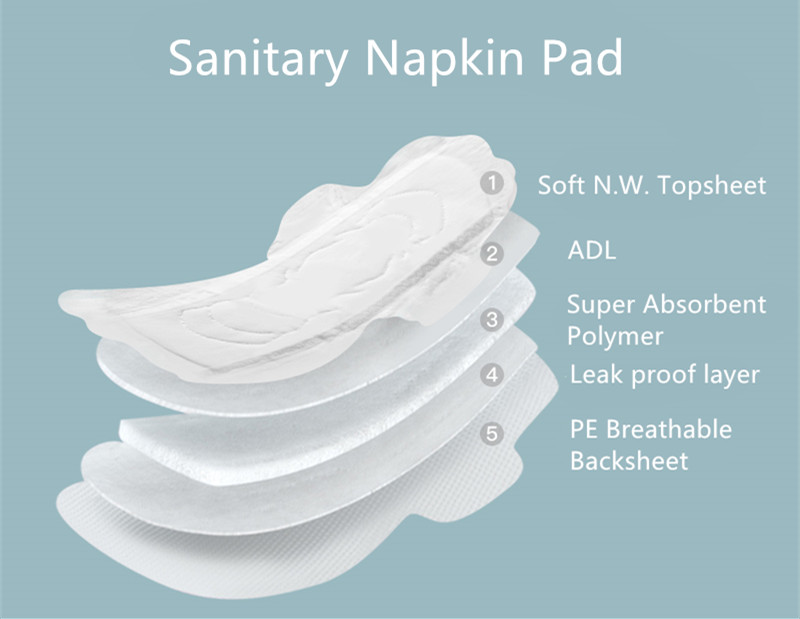
    The main difference between ultra-thin sanitary napkins and regular ones lies in the absorbent material of the core. Ultra-thin sanitary napkins:The core is made of absorbent paper. Regular sanitary napkins: The core is made of wood pulp, SAP and tissue paper.      

leave a message

leave a message
For any request of information or technical support, fill in the form. All fields marked with an asterisk* are required.
Submit
Contact us :
+86 -15859535393

Home

Products

WhatsApp

contact